
A well-prepared cheeseboard is more than just a collection of dairy products; it is a centrepiece, a conversation starter, and a delightful culinary experience. Whether you are hosting a grand dinner party, enjoying a casual evening with friends, or simply treating yourself, a thoughtfully curated cheeseboard can elevate any occasion. It represents an art form, a blend of flavours, textures, and visual appeal that captivates the senses and invites exploration. Far from being a mere appetizer, a truly exceptional cheeseboard can serve as the focal point of a gathering, offering a relaxed and interactive way for guests to mingle and discover new tastes. The beauty lies in its versatility – it can be rustic and hearty, elegant and refined, or vibrant and playful, adapting seamlessly to the mood and theme of your event. This guide will walk you through the process of crafting a perfect cheeseboard, from selecting the finest cheeses and accompaniments to arranging them with flair, ensuring your next culinary creation is nothing short of spectacular.
The Foundation: Selecting Your Cheeses
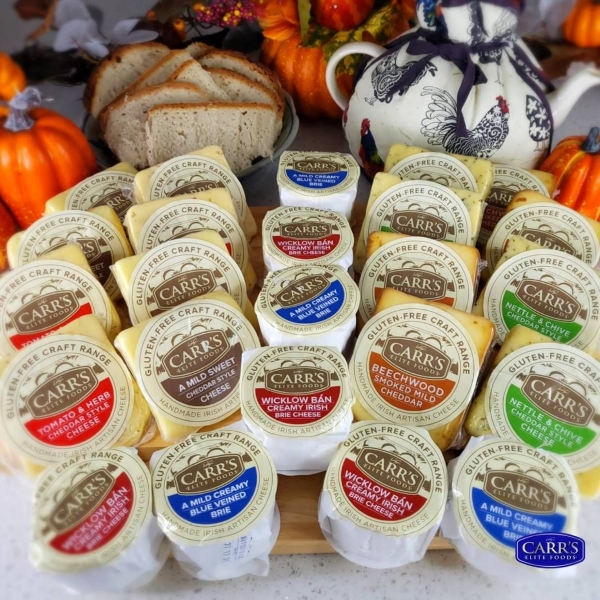
The heart of any exceptional cheeseboard is, naturally, the cheese itself. A successful selection offers a diverse range of flavours and textures, catering to various palates and providing an engaging tasting experience. Aim for a balance of at least three to five different types of cheese, considering their milk type (cow, goat, sheep), texture (soft, semi-hard, hard), and flavour profile (mild, pungent, sweet, savoury).
Understanding Cheese Categories for a Balanced Board
- Soft Cheeses: These are often creamy, spreadable, and rich. Think of a classic Brie or Camembert, with their bloomy rinds and buttery interiors, or a tangy goat’s cheese (chèvre) that offers a refreshing counterpoint. These cheeses provide a luxurious, melt-in-the-mouth sensation and are typically very approachable.
- Semi-Hard Cheeses: This category offers a broad spectrum of flavours and textures. A mature Cheddar, with its crumbly texture and sharp taste, is always a crowd-pleaser. Gouda, particularly an aged variety, brings caramel notes and a firm yet yielding texture. Gruyère, with its nutty and earthy undertones, is another excellent choice, offering a delightful chew. These cheeses provide substance and often a more complex flavour journey.
- Hard Cheeses: Characterised by their firm, often crystalline texture and intense, savoury flavours, hard cheeses are perfect for grating or breaking into shards. Parmesan (Parmigiano-Reggiano) offers a salty, umami punch, while an aged Manchego, made from sheep’s milk, presents a sweet and nutty profile. These cheeses add depth and a satisfyingly robust element to your board.
- Blue Cheeses: For those who appreciate a bolder flavour, a blue cheese is indispensable. Stilton, with its rich, creamy texture and distinctive piquant notes, is a British classic. Roquefort, a sheep’s milk blue, offers a sharper, saltier experience, while Gorgonzola Dolce is milder and sweeter. Blue cheeses introduce an exciting, often challenging, dimension that can be surprisingly addictive.
When selecting, consider the journey you want your guests to take. Start with milder options and progress to stronger, more assertive cheeses. For instance, a fresh goat’s cheese could lead to a creamy Brie, followed by a nutty Gruyère, and culminating in a bold Stilton. This progression allows the palate to adjust and appreciate each cheese fully.
Quantity Considerations
As a general rule, allow for approximately 100-150 grams of cheese per person if the cheeseboard is the main event or a substantial course. If it’s part of a larger spread or an appetizer, 50-75 grams per person should suffice. It is always better to have a little extra than to run out, especially when entertaining. Remember, variety is key, so if you have five types of cheese for ten people, you’d aim for around 100-150 grams of each type, ensuring everyone gets a good taste.
Sourcing Quality Cheese
The quality of your cheese makes a significant difference. Seek out reputable cheesemongers, local markets, or specialist sections in supermarkets. Don’t hesitate to ask for samples and advice; a good cheesemonger is a wealth of knowledge and can guide you towards seasonal or lesser-known gems that will truly make your cheeseboard stand out. Look for cheeses that are well-cared for, showing no signs of drying out or excessive mould (unless it’s a blue cheese, of course!).
Beyond the Cheese: Perfecting Your Accompaniments
While cheese is the star, the accompaniments are the supporting cast that truly complete the performance. They provide contrasting textures, complementary flavours, and visual appeal, transforming a simple selection of cheeses into a lavish spread. This is where you can truly express your creativity and cater to diverse tastes, ensuring there’s something for everyone.
Crackers and Bread: The Essential Carriers
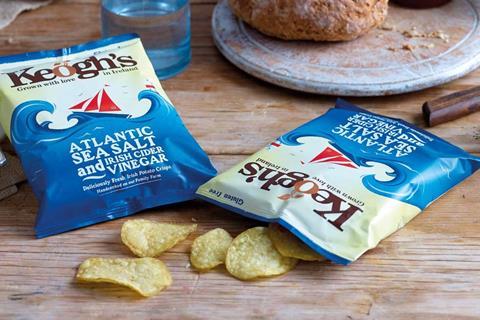
The right vehicle for your cheese is paramount. When considering the best cheese and cracker pairings, aim for variety in texture and flavour. Offer a selection that includes:
- Plain Water Biscuits or Crackers: These are neutral and allow the cheese’s flavour to shine through without interference. They are indispensable for tasting the pure essence of each cheese.
- Seeded Crackers: Offering a satisfying crunch and often a nutty flavour, these add another layer of texture and taste. Think poppy seed, sesame, or multi-grain varieties.
- Fruit and Nut Crackers: These are fantastic with creamy or strong cheeses, as the sweetness and fruitiness can cut through richness or complement pungency. Fig and walnut crackers, or cranberry and pumpkin seed, are excellent choices.
- Fresh Bread: A crusty baguette, sliced thinly, or a rustic sourdough offers a wonderful chew and a more substantial base. Toasted bread or crostini can also add a delightful crispness.
Avoid heavily flavoured crackers that might overpower delicate cheeses. The goal is harmony, not competition.
Fruits: Freshness and Sweetness
Fruits provide natural sweetness, acidity, and vibrant colour. They cleanse the palate and offer a refreshing contrast to rich cheeses.
- Fresh Fruits: Grapes (red and green), sliced apples (Granny Smith for tartness, Honeycrisp for sweetness), pears (Conference or Comice), figs (especially in season), and berries (strawberries, raspberries, blueberries) are all excellent.
- Dried Fruits: Apricots, dates, cranberries, and cherries offer concentrated sweetness and a chewy texture that pairs beautifully with many cheeses, particularly hard and blue varieties.
Nuts: Earthy Crunch
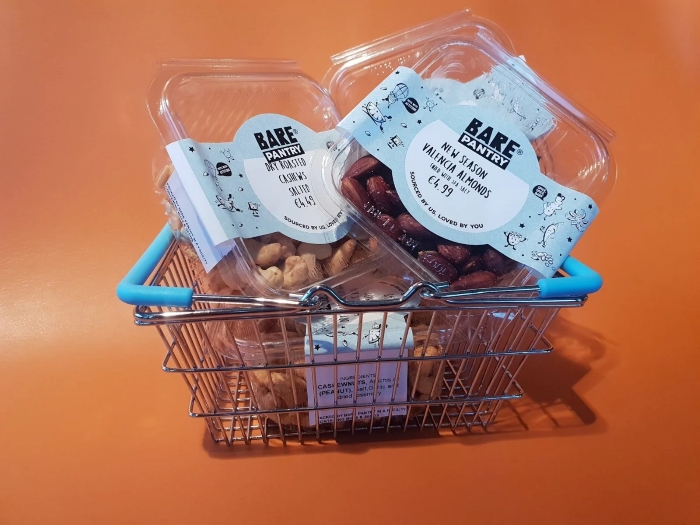
Nuts add a satisfying crunch and earthy notes. Almonds (marcona are particularly good), walnuts, pecans, and pistachios are all superb choices. Lightly toasting them can enhance their flavour.
Spreads and Dips: Sweet, Savoury, and Tangy
These additions introduce another layer of complexity and moisture.
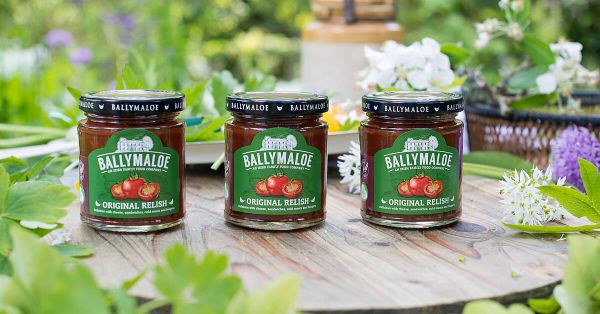
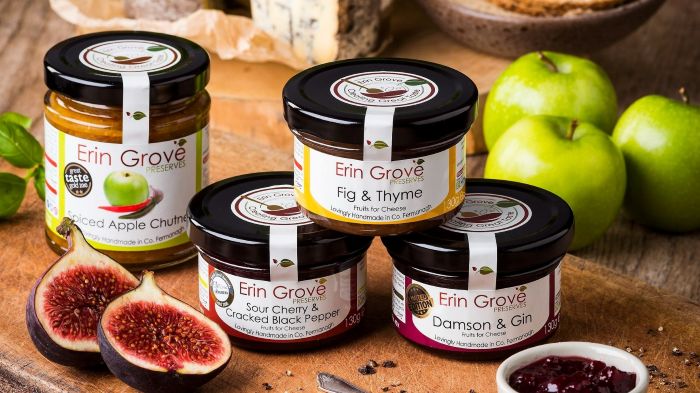
- Chutneys and Preserves: Fig jam, quince paste (membrillo), apple chutney, or a spicy tomato relish can transform a cheese experience. Their sweetness and acidity are perfect counterpoints to salty or rich cheeses.
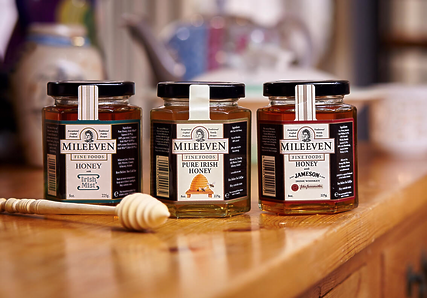
- Honey: A drizzle of local honey, especially with blue or goat’s cheese, is a classic pairing that highlights the cheese’s natural sweetness.
- Mustards: A coarse-grain mustard or a fruit mustard can add a piquant kick, particularly good with cured meats.
- Pâté and Terrines: This is where the concept of how to build a charcuterie board truly begins to merge with a cheeseboard. Including a smooth chicken liver pâté or a rustic pork terrine adds a luxurious, savoury element that complements both cheese and bread beautifully.
Cured Meats: The Charcuterie Element
To truly create a comprehensive spread, incorporating a selection of cured meats elevates your cheeseboard into a full charcuterie and cheese experience. This is a fantastic way to offer more substantial savoury options and cater to meat-lovers.
- Prosciutto: Thinly sliced, salty, and delicate, it pairs well with almost any cheese.
- Salami: From spicy ‘nduja to a mild Milano salami, these offer a robust, chewy texture and intense flavour.
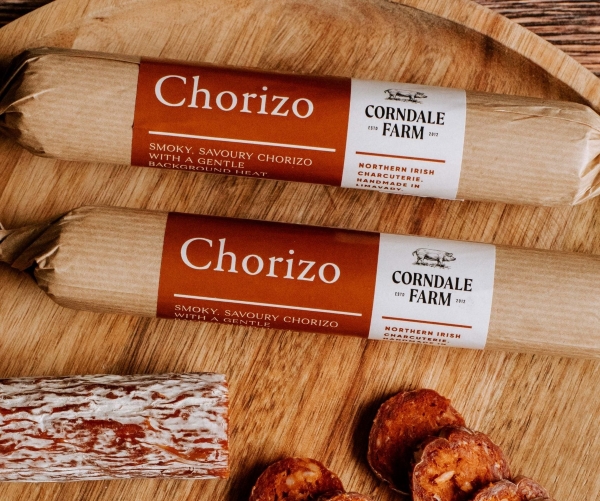
- Chorizo: Spanish chorizo, either thinly sliced or cut into small rounds, brings a smoky, paprika-infused warmth.
- Coppa or Bresaola: These offer different flavour profiles and textures, adding sophistication.
When arranging meats, consider folding or rolling them artfully to create visual interest.
Olives and Pickles: Briny Bites
A small bowl of mixed olives (Kalamata, green, black) or cornichons (mini gherkins) provides a briny, acidic counterpoint that cleanses the palate and adds a refreshing tang.
Garnishes: The Finishing Touch
Fresh herbs like rosemary sprigs or thyme, edible flowers, or even a few artfully placed bay leaves can add a touch of natural beauty and aroma, making your board look even more inviting.
The Art of Arrangement: Designing Your Cheeseboard
Once you have meticulously selected your cheeses and accompaniments, the next step is to transform them into a visually stunning display. The arrangement of your cheeseboard is just as important as the quality of its components; it’s about creating an inviting landscape of flavours and textures that beckons guests to indulge. A well-designed board is a feast for the eyes before it even reaches the palate.
Choosing the Right Board
The foundation of your display is the board itself. Consider the size of your gathering and the aesthetic you wish to achieve:
- Wooden Boards: Classic and rustic, wooden boards (oak, acacia, bamboo) are versatile and add warmth. Ensure they are food-safe and well-oiled.
- Slate Boards: Modern and elegant, slate provides a striking dark contrast that makes colourful cheeses and fruits pop. They are also easy to write on with chalk to label cheeses.
- Ceramic Platters: These can range from simple white to intricately patterned, offering a more formal or artistic touch.
- Marble Slabs: Luxurious and cool, marble is excellent for keeping cheeses at a consistent temperature, especially in warmer environments.
Choose a board that is large enough to accommodate all your selections without looking overcrowded, but not so vast that it appears sparse. A good rule of thumb is to leave a little breathing room between items, but not so much that the board looks empty.
Placement Strategy: Building Your Culinary Landscape
Think of your board as a canvas. The goal is to create a sense of abundance and visual harmony. Here’s a strategic approach:
- Start with the Cheeses: Place your cheeses first, distributing them evenly across the board. Leave enough space around each cheese for guests to cut or scoop without disturbing other items. Vary the placement of different cheese types – don’t put all the soft cheeses together, for example.
- Add Bowls for Wet Items: Small ramekins or bowls are perfect for olives, chutneys, honey, or any items that might leak or are messy. Place these strategically around the cheeses.
- Arrange Cured Meats: If you’re incorporating cured meats (essential for a comprehensive how to build a charcuterie board experience), arrange them artfully. Fold prosciutto into ribbons, roll salami slices, or fan them out. Place them near cheeses they pair well with, or near crackers.
- Fill in with Crackers and Bread: Place your selection of crackers and bread around the cheeses and meats. You can fan them out, stack them, or place them in small piles. Ensure they are easily accessible.
- Distribute Fruits and Nuts: Scatter fresh and dried fruits, and nuts, in the remaining gaps. These are excellent for filling in spaces and adding bursts of colour. Grapes can be left on the vine for visual appeal, while berries can be nestled in small clusters.
- Add Garnishes: Finish with fresh herbs like rosemary sprigs or thyme, which add a lovely aroma and a touch of greenery. Edible flowers can also provide a delicate, elegant touch.
Tools of the Trade
Provide appropriate serving tools for each cheese. A soft cheese might need a spreader, a hard cheese a sharp knife or a chisel, and a semi-hard cheese a general-purpose knife. Small tongs for meats and olives are also a thoughtful addition. Ensure there’s a separate knife for each cheese to prevent flavour transfer.
Labelling Your Cheeses
For larger gatherings or more adventurous selections, small labels or flags indicating the type of cheese (and perhaps its origin or milk type) are incredibly helpful. This allows guests to identify what they are trying and can spark conversation. Chalk on a slate board works wonderfully, or small wooden markers.
Creating Visual Interest
- Vary Heights and Textures: Don’t lay everything flat. Stack crackers, pile nuts, and arrange fruits in different ways to create visual depth.
- Colour Contrast: Pay attention to the colours of your ingredients. Place a vibrant red strawberry next to a pale Brie, or dark olives against a light-coloured cracker.
- Negative Space: While you want an abundant look, avoid cramming everything together. A little negative space can make the board feel less overwhelming and more inviting.
The goal is to create an inviting, abundant, and aesthetically pleasing display that encourages guests to explore and enjoy the diverse offerings. A well-arranged cheeseboard is a testament to your thoughtfulness and attention to detail.
Cheeseboards for Every Occasion
The beauty of a cheeseboard lies in its incredible adaptability. It can be tailored to suit any event, from an intimate evening for two to a bustling festive gathering. Understanding how to customise your selection and presentation for different scenarios is key to creating a truly memorable experience. Here, we delve into specific cheeseboard ideas for parties and other occasions, ensuring your board is always perfectly pitched.
Casual Gatherings: Relaxed and Approachable
For a relaxed evening with friends, a casual barbecue, or a spontaneous get-together, the focus should be on approachability and ease. You want cheeses that are generally well-liked and accompaniments that are simple to grab and enjoy.
- Cheese Selection: Opt for familiar favourites. A good quality mature Cheddar, a creamy Brie, and a mild Gouda or Emmental are excellent choices. Perhaps a fresh goat’s cheese for a lighter option.
- Accompaniments: Keep it simple. Plain water biscuits, a rustic baguette, grapes, apple slices, and a handful of almonds. A jar of good quality chutney or a simple fig jam.
- Presentation: A sturdy wooden board, perhaps with a few bowls for olives or cornichons. Don’t worry too much about intricate arrangements; a generous, inviting pile is perfect.
- Drink Pairing: Easy-drinking red or white wines, craft beers, or even a refreshing cider.
Elegant Dinner Parties: Sophistication and Refinement
When hosting a more formal dinner party, your cheeseboard can serve as a sophisticated course, either before dessert or as a standalone offering. Here, you can introduce more refined or artisanal cheeses and elevate the presentation.
- Cheese Selection: Aim for a curated selection of four to five distinct cheeses. Consider a rich, unctuous Époisses, a complex aged Gruyère, a delicate sheep’s milk cheese like Pecorino Sardo, and a nuanced blue such as Roquefort. Introduce a less common, artisanal cheese to spark conversation.
- Accompaniments: Thinly sliced sourdough or artisanal crackers, quince paste, truffle honey, candied walnuts, fresh figs, and perhaps a delicate chicken liver pâté.
- Presentation: A sleek slate or marble board, with cheeses artfully arranged and clearly labelled. Use elegant small bowls for accompaniments. Consider individual portions of certain items for a more refined touch.
- Drink Pairing: Fine wines specifically chosen to complement the cheeses, perhaps a port or a dessert wine if served after the main course.
Festive Celebrations: Abundance and Indulgence
Holiday parties, New Year’s Eve, or significant family celebrations call for a cheeseboard that exudes generosity and festivity. This is the time to go all out with variety and abundance.
- Cheese Selection: Offer a wide array – perhaps six to eight different cheeses. Include seasonal favourites like a rich Stilton at Christmas, alongside a robust aged Cheddar, a creamy Camembert, a spicy Monterey Jack, and a fresh mozzarella with cherry tomatoes and basil.
- Accompaniments: A lavish spread of crackers, artisan breads, a variety of fresh and dried fruits (pomegranates and cranberries add festive colour), mixed nuts, several chutneys and preserves, and a generous selection of cured meats (prosciutto, salami, chorizo) to create a true charcuterie and cheese spectacle.
- Presentation: Use the largest board or multiple boards to create a sprawling, abundant display. Incorporate festive garnishes like holly sprigs (non-toxic!), cinnamon sticks, or star anise for aroma and visual appeal.
- Drink Pairing: Sparkling wine or Champagne, festive cocktails, mulled wine, or a selection of robust red wines.
Romantic Evenings: Intimate and Luxurious
For a special evening for two, the cheeseboard should be intimate, luxurious, and easy to share. Focus on quality over quantity, with indulgent choices.
- Cheese Selection: Two to three exquisite cheeses are sufficient. A decadent triple-cream cheese like Brillat-Savarin, a perfectly ripe Camembert, and a small wedge of a favourite hard cheese.
- Accompaniments: Fresh berries, a few dark chocolate squares, a small pot of truffle honey, and some delicate water biscuits or a freshly baked baguette.
- Presentation: A smaller, elegant board. Arrange items closely and beautifully, perhaps with a single rose or a few candles nearby to set the mood.
- Drink Pairing: A fine bottle of Champagne, a rich red wine, or a crisp white wine that you both enjoy.
No matter the occasion, the key is to think about your guests, the overall mood, and the experience you want to create. A thoughtfully curated and beautifully presented cheeseboard is always a welcome addition, fostering connection and culinary delight.
Expert Tips for a Flawless Cheeseboard
Crafting a truly exceptional cheeseboard goes beyond simply selecting good ingredients and arranging them nicely. There are several expert tips and considerations that can elevate your creation from good to truly unforgettable. These insights cover everything from optimal serving conditions to thoughtful pairings, ensuring every detail contributes to a flawless experience.
Serving Temperature: The Golden Rule
This is perhaps the most critical tip: always serve cheese at room temperature. Remove your cheeses from the refrigerator at least 30 minutes to an hour before serving, depending on their size and density. Cold cheese is muted in flavour and firm in texture. Allowing it to warm up gently releases its full aroma, softens its texture, and allows its complex flavours to truly shine. A cold Brie, for instance, will be firm and less aromatic, whereas a room-temperature Brie will be wonderfully creamy and fragrant.
Pre-preparation: Planning Ahead
While the final assembly should ideally happen just before serving, much of the preparation can be done in advance to reduce stress on the day:
- Wash and Cut Fruits: Prepare fresh fruits like grapes, berries, and apple slices (toss apple slices in a little lemon juice to prevent browning). Store them in airtight containers in the refrigerator.
- Portion Accompaniments: Place nuts, dried fruits, and crackers into separate containers.
- Prepare Bowls: Have your small bowls for olives, chutneys, and honey ready.
- Slice Meats: If using cured meats, slice them and arrange them on a plate covered with cling film, refrigerating until needed.
- Set Out Board and Tools: Have your board, knives, and spreaders ready on the serving table.
This pre-preparation allows you to focus on the artistic arrangement and the cheeses themselves closer to serving time.
Storage: Keeping Leftovers Fresh
Proper storage is crucial for preserving the quality of your cheeses. After the event, wrap each cheese individually in cheese paper or parchment paper, then place it in an airtight container before refrigerating. Avoid cling film directly on cheese, as it can trap moisture and lead to mould or impart plastic flavours. Harder cheeses generally keep longer than soft, fresh varieties. Most cheeses are best consumed within a week or two of opening.
Drink Pairings: Enhancing the Experience
The right drink pairing can significantly enhance the flavours of your cheeseboard. While wine is a classic choice, don’t limit yourself. The general principle is to match the intensity of the drink with the intensity of the cheese.
- Wine:
- Red Wine: Lighter reds like Pinot Noir pair well with soft, creamy cheeses. Fuller-bodied reds such as Cabernet Sauvignon or Syrah stand up to aged Cheddar or Gruyère.
- White Wine: Crisp Sauvignon Blanc complements goat’s cheese. Richer Chardonnays work with Brie or Camembert. Sweet dessert wines like Sauternes are exceptional with blue cheeses.
- Sparkling Wine: Champagne or Prosecco are incredibly versatile, cutting through richness and cleansing the palate, making them excellent with almost any cheese.
- Beer: Craft beers offer a fantastic range of pairings. A crisp lager with fresh goat’s cheese, an amber ale with Cheddar, a stout with blue cheese, or a fruity saison with soft, bloomy-rind cheeses.
- Cider: A dry, traditional cider can be a refreshing match for many cheeses, particularly those from the same region.
- Non-Alcoholic Options: Sparkling apple juice, elderflower cordial with sparkling water, or even a good quality black tea can provide interesting contrasts and palate cleansers.
Hygiene and Presentation: Thoughtful Details
- Separate Knives: Provide a different knife or spreader for each cheese to prevent flavour transfer. This is particularly important for strong blue cheeses.
- Replenish as Needed: For longer gatherings, have extra crackers, fruits, and even small wedges of cheese ready to replenish the board, keeping it looking fresh and abundant.
- Consider Dietary Needs: If you know your guests have dietary restrictions (e.g., gluten-free, vegetarian, nut allergies), offer clearly labelled alternatives or ensure certain sections of the board are free from specific allergens.
- Temperature Control: On a very warm day, consider placing your board on a cooling slab or refreshing the cheeses periodically to prevent them from becoming too soft or oily.
By paying attention to these details, you ensure that your cheeseboard is not only delicious but also a comfortable, enjoyable, and memorable experience for all your guests.
Frequently Asked Questions (FAQs)
How much cheese should I buy per person?
As a general guideline, if the cheeseboard is the main event or a substantial course, aim for 100-150 grams of cheese per person. If it’s an appetizer or part of a larger spread, 50-75 grams per person is usually sufficient.
What is the ideal number of cheeses for a board?
For a balanced and interesting board, aim for 3 to 5 different types of cheese. This allows for variety without overwhelming your guests. For larger parties, you might extend to 6-8 types.
Can I prepare my cheeseboard in advance?
You can prepare many accompaniments (wash fruit, slice meats, arrange nuts) a few hours in advance and store them separately. However, for optimal flavour and freshness, the cheeses themselves should be brought to room temperature and arranged on the board no more than 30-60 minutes before serving.
What’s the difference between a cheeseboard and a charcuterie board?
A cheeseboard primarily focuses on a selection of cheeses, often with complementary fruits, crackers, and spreads. A charcuterie board, on the other hand, focuses on a variety of cured meats (like salami, prosciutto, pâté), often accompanied by pickles, mustards, and bread. Many modern boards, including those discussed here, combine elements of both to offer a more comprehensive spread.
How do I prevent my cheeses from drying out?
Once opened, wrap each cheese individually in cheese paper or parchment paper, then place it in an airtight container before refrigerating. Avoid using cling film directly on cheese, as it can trap moisture and lead to spoilage or impart unwanted flavours.
What are some good non-alcoholic drink pairings for a cheeseboard?
Sparkling apple juice, elderflower cordial mixed with sparkling water, good quality black or herbal teas, or even a dry ginger ale can all offer refreshing and complementary pairings for various cheeses.
Further Reading Suggestions
- The Oxford Companion to Cheese: For an encyclopaedic deep dive into the world of cheese, its history, production, and varieties.
- Culture Magazine: A fantastic resource for cheese lovers, featuring articles on cheesemakers, pairings, and recipes.
- Websites of reputable cheesemongers: Many specialist cheese shops offer extensive guides on cheese types, origins, and serving suggestions.
- Cookbooks focusing on entertaining: Look for sections on appetizers, canapés, or party food for more inspiration on presentation and complementary dishes.
Pick Up Your Cheeseboard Essentials at Gourmet Grocer
Ready to build your own cheeseboard? At Gourmet Grocer, you’ll find everything you need to create a board that looks impressive, tastes delicious and suits any occasion.
Call in to pick up your cheeseboard essentials, including quality cheeses, crackers, chutneys, cured meats, olives, fruit, nuts, wine and finishing touches. Whether you’re planning a cosy night in, hosting friends, putting together a party spread or creating something special for the weekend, Gourmet Grocer makes it easy to build a beautiful board without the stress.
From classic cheese and cracker pairings to full grazing-style spreads, our shelves and deli are full of inspiration for effortless entertaining.
Visit Gourmet Grocer in Enniskillen for cheese, crackers, chutneys, charcuterie, wine and everything you need to craft the perfect cheeseboard.
Conclusion
Crafting the perfect cheeseboard is a delightful journey that combines culinary knowledge with artistic flair. It’s an opportunity to explore a world of flavours, textures, and aromas, creating a truly immersive experience for yourself and your guests. From the careful selection of diverse cheeses to the thoughtful inclusion of complementary accompaniments, and the meticulous art of arrangement, every step contributes to a memorable spread. Whether you’re planning an elaborate dinner party or a simple evening with loved ones, the principles remain the same: quality ingredients, thoughtful pairings, and an inviting presentation. Remember to serve your cheeses at room temperature, provide appropriate tools, and allow your creativity to guide you. A well-executed cheeseboard is more than just food; it’s a gesture of hospitality, a catalyst for conversation, and a testament to the simple yet profound joy of sharing good food. So, gather your ingredients, unleash your inner culinary artist, and prepare to impress with a cheeseboard that truly stands out.
Update On 16 Nov 2026
We explored the art of crafting the ultimate cheeseboard, looking into everything from dairy selection to visual presentation. We discovered how curating a balanced cheeseboard selection with diverse textures and milk types elevates any gathering. Whether you are brainstorming fresh cheeseboard ideas for an intimate evening or a festive party, remember that incorporating the best cheese and cracker pairings will guarantee an unforgettable culinary experience.