

Food is more than just sustenance; it is the very fuel that powers our lives, influencing every aspect of our existence from our physical capabilities to our emotional resilience and cognitive sharpness. In a world brimming with an overwhelming array of dietary advice, conflicting information, and ever-changing trends, understanding the true meaning of healthy eating can often feel like navigating a complex maze. Many of us are bombarded with messages about ‘superfoods’, restrictive diets, or quick fixes, which can lead to confusion, frustration, and a sense of failure when these approaches prove unsustainable.
Yet, at its heart, embracing a balanced and thoughtful approach to what we consume offers a profound and truly transformative power. It’s not about deprivation or adhering to rigid rules, but rather about making informed, conscious choices that genuinely nourish our bodies and minds. This shift in perspective moves beyond fleeting fads to focus on enduring principles that support our well-being in a holistic manner. When we choose to eat healthily, we are not just feeding ourselves; we are investing in our future, building a foundation for vitality and longevity.
This article will delve deeply into the multifaceted aspects of healthy eating, moving beyond superficial discussions to explore the enduring principles that genuinely nourish our bodies and minds. We will uncover how making conscious food choices can provide a sustained healthy eating for energy boost, contribute significantly to the long-term health benefits of diet, and even forge a stronger mental health and nutrition connection. Our aim is to demystify healthy eating, offering practical insights and actionable advice that can be seamlessly integrated into your daily routine, helping you to truly fuel your life with purpose and vigour.
What Exactly is Healthy Eating? Beyond the Fads
Before we explore the profound impacts of healthy eating, it’s essential to establish a clear understanding of what it actually entails. Healthy eating is not a temporary diet, nor is it about extreme restrictions or eliminating entire food groups. Instead, it is a sustainable lifestyle approach centred on balance, variety, and moderation. It’s about providing your body with the essential nutrients it needs to function optimally, grow, repair, and thrive, day in and day out.
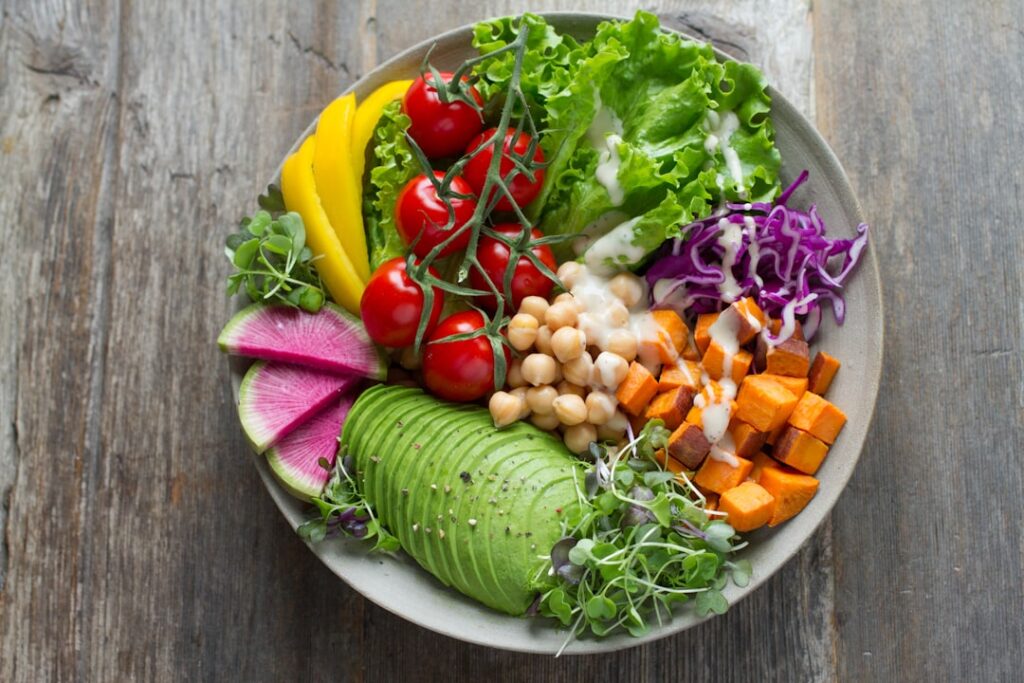
At its core, healthy eating involves prioritising whole, unprocessed foods. This means choosing items that are as close to their natural state as possible, rather than those that have been heavily refined or contain numerous artificial additives. Think fresh fruits and vegetables, whole grains, lean proteins, and healthy fats. These foods are packed with vitamins, minerals, fibre, and antioxidants – all vital components for robust health.
The Pillars of a Balanced Plate
A truly balanced plate incorporates a diverse range of nutrients, ensuring your body receives everything it requires. Understanding these key components is fundamental:
- Complex Carbohydrates: Often misunderstood, carbohydrates are our body’s primary source of energy. Opt for complex carbohydrates found in whole grains like oats, brown rice, quinoa, and wholemeal bread, as well as starchy vegetables such as sweet potatoes and butternut squash. These provide a steady release of glucose, preventing energy spikes and crashes.
- Lean Proteins: Essential for building and repairing tissues, producing enzymes and hormones, and supporting immune function. Good sources include lean meats, poultry, fish, eggs, legumes (beans, lentils), tofu, and nuts. Protein also contributes to satiety, helping you feel fuller for longer.
- Healthy Fats: Far from being the enemy, healthy fats are crucial for brain function, hormone production, nutrient absorption, and protecting organs. Focus on unsaturated fats found in avocados, nuts, seeds, olive oil, and fatty fish like salmon and mackerel.
- Vitamins and Minerals: These micronutrients are the unsung heroes, playing thousands of roles in the body, from bone health to nerve function and energy production. A colourful array of fruits and vegetables ensures a broad spectrum of these vital compounds.
- Fibre: Found abundantly in plant foods, fibre is critical for digestive health, regulating blood sugar, and contributing to a feeling of fullness.
- Water: Often overlooked, hydration is paramount. Water is involved in virtually every bodily function, including nutrient transport, temperature regulation, and waste removal.
Understanding Portion Control and Mindful Eating
Beyond what you eat, how much you eat and how you eat it are equally important. Portion control helps manage calorie intake and prevents overeating, even of healthy foods. Mindful eating, on the other hand, encourages you to pay attention to your body’s hunger and fullness cues, savouring your food and eating without distraction. This practice can improve digestion, reduce stress around food, and foster a healthier relationship with eating.
The Immediate Pay-offs: Healthy Eating for Energy and Focus
One of the most immediate and noticeable benefits of adopting a healthy eating pattern is a significant healthy eating for energy boost and improved mental clarity. Many people experience daily energy slumps, often reaching for sugary snacks or excessive caffeine to power through. However, these quick fixes provide only temporary relief, often followed by an even deeper crash. True, sustained energy comes from consistent, nutrient-dense food choices.
When you consume a diet rich in whole foods, your body receives a steady supply of glucose from complex carbohydrates, balanced by proteins and healthy fats. This prevents the dramatic fluctuations in blood sugar that lead to fatigue, irritability, and difficulty concentrating. Imagine starting your day with a bowl of oats, topped with berries and nuts, rather than a sugary pastry. The former provides a slow, sustained release of energy, keeping you alert and productive for hours, while the latter offers a fleeting rush followed by an inevitable slump.
Stabilising Blood Sugar for Sustained Vitality
The key to consistent energy lies in managing your blood sugar levels. Foods high in refined sugars and simple carbohydrates cause a rapid spike in blood glucose, prompting your pancreas to release a large amount of insulin. While insulin helps to bring blood sugar down, an overproduction can lead to a subsequent drop, leaving you feeling drained and sluggish. This rollercoaster effect is detrimental to sustained energy.
In contrast, a diet rich in fibre, protein, and healthy fats slows down the absorption of glucose into the bloodstream. This creates a more stable blood sugar curve, providing a continuous supply of energy to your cells. For example, pairing a piece of fruit (simple carbohydrate) with a handful of almonds (protein and healthy fats) will result in a much more stable energy release than eating the fruit alone. This strategic combination helps to mitigate the rapid sugar spike and subsequent crash, keeping your energy levels even throughout the day.
Fueling Brainpower and Cognitive Function
Your brain, despite making up only about 2% of your body weight, consumes roughly 20% of your daily calorie intake. It demands a constant and reliable supply of nutrients to function optimally. A diet that supports stable blood sugar also supports consistent brain function, leading to improved focus, concentration, and memory.
Specific nutrients play a particularly important role in cognitive health. Omega-3 fatty acids, found in oily fish like salmon, mackerel, and sardines, are crucial for brain structure and function, supporting communication between brain cells. Antioxidants, abundant in colourful fruits and vegetables, protect brain cells from oxidative stress and inflammation, which can impair cognitive abilities. B vitamins are essential for energy production within brain cells and for the synthesis of neurotransmitters that regulate mood and cognitive processes. When your brain is properly nourished, you’ll find it easier to concentrate on tasks, retain information, and maintain mental sharpness throughout your day, making you more productive and engaged in all your activities.
Building a Strong Foundation: Long-Term Health Benefits
While the immediate energy boost and improved focus are compelling reasons to embrace healthy eating, the long-term health benefits of diet are arguably even more profound. Healthy eating is not just about feeling good today; it’s about building a resilient body that can withstand the challenges of time, significantly reducing your risk of developing chronic diseases and promoting a higher quality of life as you age. It’s an investment in your future self, paying dividends in vitality and well-being for decades to come.
Preventing Chronic Illnesses
One of the most significant long-term advantages of a healthy diet is its powerful role in preventing a wide array of chronic illnesses that plague modern society. Conditions such as heart disease, type 2 diabetes, certain cancers, and osteoporosis are often heavily influenced by dietary choices. A diet rich in fruits, vegetables, whole grains, and lean proteins, while being low in processed foods, unhealthy fats, and added sugars, acts as a protective shield for your body.
- Heart Disease: By reducing saturated and trans fats, cholesterol, and sodium, healthy eating helps maintain healthy blood pressure and cholesterol levels, significantly lowering the risk of heart attacks and strokes. Fibre, found in plant foods, also plays a role in reducing LDL (‘bad’) cholesterol.
- Type 2 Diabetes: A diet that stabilises blood sugar levels, rich in fibre and complex carbohydrates, can prevent insulin resistance, which is a precursor to type 2 diabetes. It helps the body manage glucose more effectively, reducing the strain on the pancreas.
- Certain Cancers: Numerous studies have linked diets high in processed meats, refined sugars, and low in plant-based foods to an increased risk of various cancers. Conversely, a diet abundant in antioxidants, phytochemicals, and fibre from fruits, vegetables, and whole grains can protect cells from damage and inhibit cancer cell growth.
- Osteoporosis: Adequate intake of calcium and vitamin D, often found in dairy products, fortified plant milks, and leafy greens, is crucial for maintaining strong bones throughout life, reducing the risk of osteoporosis and fractures in later years.
Supporting a Healthy Weight and Metabolism
Maintaining a healthy weight is a cornerstone of long-term health, and healthy eating is the most sustainable path to achieving and sustaining it. Unlike restrictive diets that often lead to a cycle of weight loss and regain, a balanced approach focuses on nutrient density and satiety. Whole foods are generally lower in calories but higher in fibre and water, meaning you can eat satisfying portions without excessive calorie intake. Fibre, in particular, helps you feel full, reducing the likelihood of overeating and snacking on unhealthy options.
Furthermore, a well-nourished body has a more efficient metabolism. When your body receives all the necessary vitamins, minerals, and macronutrients, its metabolic processes, including energy conversion and fat burning, function optimally. This isn’t about ‘boosting’ your metabolism with miracle foods, but rather supporting its natural, healthy function through consistent, good nutrition.
Strengthening Your Body’s Defences
Your immune system is your body’s primary defence against infections and illnesses. A healthy diet provides the essential building blocks and regulatory compounds needed for a robust immune response. Vitamins C and D, zinc, selenium, and various antioxidants are particularly important for immune function. For instance, vitamin C, found in citrus fruits, bell peppers, and broccoli, is vital for the production and function of white blood cells, which fight off pathogens. Zinc, present in nuts, seeds, and lean meats, plays a critical role in immune cell development and signalling.
By consistently supplying your body with these vital nutrients, you can strengthen your immune system, making you less susceptible to common colds, flu, and other infections. This means fewer sick days, quicker recovery times, and a greater overall resilience against environmental threats, allowing you to live a more active and uninterrupted life.
Nourishing the Mind: The Mental Health and Nutrition Connection
The intricate relationship between what we eat and how we feel mentally is becoming increasingly clear. The mental health and nutrition connection is a rapidly expanding field of research, revealing that our dietary choices have a profound impact not just on our physical health, but also on our mood, cognitive function, and overall psychological well-being. It’s a powerful reminder that true health encompasses both body and mind, and that nourishing one inevitably benefits the other.
The Gut-Brain Axis: A Two-Way Street
At the forefront of understanding this connection is the concept of the ‘gut-brain axis’. This refers to the biochemical signalling that takes place between the gastrointestinal tract and the central nervous system. Our gut is home to trillions of microorganisms, collectively known as the gut microbiota, which play a crucial role in digestion, nutrient absorption, and even immune function. What’s fascinating is that these microbes also produce various neuroactive compounds, including neurotransmitters like serotonin, often referred to as the ‘happy hormone’, a significant portion of which is produced in the gut.
A diverse and healthy gut microbiota, fostered by a diet rich in fibre (prebiotics) and fermented foods (probiotics), can positively influence brain chemistry, reduce inflammation, and even impact stress responses. Conversely, a diet high in processed foods, sugar, and unhealthy fats can disrupt this delicate balance, leading to an imbalance in gut bacteria (dysbiosis), which has been linked to increased anxiety, depression, and other mental health issues. Feeding your gut well is, in essence, feeding your brain well.
Mood, Anxiety, and Dietary Choices
Specific nutrients are vital for the production of neurotransmitters that regulate mood. For example, omega-3 fatty acids are not only crucial for brain structure but also have anti-inflammatory properties that can help alleviate symptoms of depression and anxiety. Tryptophan, an amino acid found in foods like turkey, eggs, and nuts, is a precursor to serotonin, meaning adequate intake can support healthy mood regulation.
Furthermore, stable blood sugar levels, achieved through a diet of complex carbohydrates, lean proteins, and healthy fats, prevent the mood swings and irritability often associated with sugar crashes. When your blood sugar is erratic, your body releases stress hormones like cortisol, which can exacerbate feelings of anxiety and stress. By maintaining a steady supply of energy to the brain, healthy eating helps to stabilise mood and reduce the physiological stress response.
Protecting Cognitive Function as We Age
Beyond immediate mood regulation, nutrition plays a critical role in protecting long-term cognitive function and reducing the risk of neurodegenerative diseases like Alzheimer’s and Parkinson’s. A diet rich in antioxidants, such as those found in berries, dark leafy greens, and green tea, helps to combat oxidative stress in the brain, which is a major contributor to cognitive decline.
B vitamins, particularly folate, B6, and B12, are essential for nerve health and the prevention of homocysteine build-up, a compound linked to cognitive impairment. Healthy fats, especially monounsaturated and polyunsaturated fats, support brain cell membranes and overall brain health. By consistently providing these vital nutrients, healthy eating can help maintain sharp memory, clear thinking, and overall cognitive vitality well into old age, allowing you to remain mentally agile and engaged with the world around you.
Practical Steps to Embrace Healthy Eating in Your Daily Life
Understanding the theory behind healthy eating is one thing; putting it into practice in our busy, modern lives is another. The good news is that embracing a healthier diet doesn’t require a complete overhaul overnight. Small, consistent changes can lead to significant, lasting results. Here are some practical steps to help you integrate healthy eating seamlessly into your daily routine.
Planning for Success: Meal Preparation and Shopping
One of the biggest hurdles to healthy eating is often a lack of time or preparation. This is where meal planning and smart shopping become invaluable tools. Dedicate a small amount of time each week to plan your meals and snacks. This could involve:
- Creating a Weekly Menu: Decide what you’ll eat for breakfast, lunch, and dinner, and include healthy snacks. This helps you visualise your week and ensures variety.
- Making a Shopping List: Based on your menu, create a detailed list. Stick to this list at the supermarket to avoid impulse buys of unhealthy items. Focus on the perimeter of the shop where fresh produce, lean meats, and dairy are typically found.
- Batch Cooking: Prepare larger quantities of staples like cooked grains (brown rice, quinoa), roasted vegetables, or grilled chicken at the start of the week. These can then be easily assembled into quick, nutritious meals throughout the week.
- Healthy Snack Prep: Wash and chop fruits and vegetables, portion out nuts or seeds, or prepare homemade hummus. Having healthy options readily available prevents reaching for less nutritious alternatives when hunger strikes.
Making Smart Choices When Dining Out
Eating out is a part of modern life, and it doesn’t have to derail your healthy eating efforts. With a bit of foresight, you can make nutritious choices even when you’re not cooking at home.
- Review Menus Online: Many restaurants provide their menus online. Look for healthier options before you arrive, such as grilled fish, salads with dressing on the side, or vegetable-based dishes.
- Portion Awareness: Restaurant portions are often much larger than what we need. Consider sharing a main course, asking for a half portion, or taking half of your meal home for later.
- Ask for Substitutions: Don’t be afraid to ask for vegetables instead of chips, or for sauces and dressings to be served on the side so you can control the amount.
- Choose Wisely: Opt for water over sugary drinks or excessive alcohol. Be mindful of hidden fats and sugars in creamy sauces, fried items, and rich desserts. For those in Northern Ireland looking for nutritious options for their midday meal, exploring places that offer healthy lunch in Enniskillen can be a great way to maintain your dietary goals while enjoying a meal out.
Hydration and Mindful Snacking
Proper hydration is fundamental to health, yet often overlooked. Aim to drink plenty of water throughout the day. Keep a water bottle handy as a visual reminder. Sometimes, what we perceive as hunger is actually thirst.
Snacking can be a valuable part of a healthy diet, helping to bridge the gap between meals and prevent overeating. However, the type of snack matters. Instead of crisps, biscuits, or chocolate, choose nutrient-dense options like:
- Fresh fruit (apples, bananas, berries)
- A handful of unsalted nuts or seeds
- Greek yoghurt with a sprinkle of fruit
- Vegetable sticks with hummus
- Hard-boiled eggs
These snacks provide sustained energy and essential nutrients without the sugar crash or empty calories.
Overcoming Common Challenges and Sticking to It
Embarking on a journey towards healthier eating is commendable, but it’s also realistic to acknowledge that challenges will arise. Life is unpredictable, and maintaining consistent healthy habits can sometimes feel like an uphill battle. However, by anticipating these common hurdles and equipping yourself with effective strategies, you can navigate them successfully and ensure your commitment to healthy eating remains strong and sustainable.
Time and Budget Constraints
Two of the most frequently cited reasons for not eating healthily are a lack of time and the perceived high cost of nutritious food. It’s true that convenience foods can seem quicker and sometimes cheaper upfront, but this often comes at a cost to your health and long-term well-being.
- Time Management: As mentioned earlier, meal planning and batch cooking are game-changers. Dedicate an hour or two on a weekend to prepare ingredients or full meals for the week ahead. Simple, quick meals don’t have to be unhealthy – think omelettes, salads with pre-cooked protein, or wholemeal wraps. Utilise slow cookers or pressure cookers for hands-off cooking.
- Budget-Friendly Eating: Healthy eating doesn’t have to break the bank. Focus on seasonal fruits and vegetables, which are often cheaper and more flavourful. Buy in bulk when possible for staples like grains, legumes, and frozen vegetables. Legumes (beans, lentils) are incredibly nutritious, versatile, and very inexpensive sources of protein and fibre. Cooking from scratch is almost always cheaper than buying pre-made meals or takeaways. Look for supermarket own-brand products, which are often just as good quality as branded items but at a lower price point.
Managing Cravings and Emotional Eating
Cravings are a natural part of being human, but they can often lead us astray from our healthy eating goals. Emotional eating – using food to cope with feelings rather than physical hunger – is another significant challenge.
- Understand Your Cravings: Are you truly hungry, or are you bored, stressed, or sad? Identifying the trigger is the first step. If it’s not hunger, try alternative coping mechanisms like going for a walk, calling a friend, reading a book, or engaging in a hobby.
- Don’t Deprive Yourself Entirely: Extreme restriction often backfires, leading to intense cravings and eventual binges. Allow yourself small, controlled portions of your favourite treats occasionally. This moderation can prevent feelings of deprivation and make your healthy eating plan more sustainable.
- Hydration First: Sometimes, thirst can be mistaken for hunger or a craving. Drink a glass of water and wait 15-20 minutes to see if the craving subsides.
- Mindful Indulgence: If you decide to give in to a craving, do so mindfully. Savour every bite, paying attention to the taste and texture, rather than eating quickly and mindlessly.
Navigating Social Situations
Social gatherings, family meals, and celebrations often revolve around food, making it challenging to stick to your healthy eating habits without feeling like you’re missing out or being difficult.
- Eat Before You Go: Have a healthy snack or small meal before attending an event. This will curb your hunger and make you less likely to overeat or make poor choices.
- Be Selective: At buffets or parties, choose wisely. Fill your plate with vegetables, lean proteins, and whole grains first, then allow yourself a small portion of a less healthy item you truly want to try.
- Offer to Bring a Dish: If you’re attending a potluck or family gathering, offer to bring a healthy dish that you know you can enjoy. This ensures there’s at least one nutritious option available.
- Focus on the Company: Shift your focus from the food to the social interaction. Enjoy the conversation and the company, rather than making food the central point of the event. Remember, healthy eating is about balance, and occasional deviations are part of life; it’s your overall pattern that matters most.
Frequently Asked Questions (FAQs)
Q1: Is healthy eating expensive?
A1: Not necessarily. While some specialty health foods can be pricey, a healthy diet can be very budget-friendly. Focus on whole, unprocessed foods like seasonal fruits and vegetables, legumes, whole grains, and lean proteins. Buying in bulk, cooking from scratch, and reducing food waste can significantly cut costs. Often, the perceived expense comes from comparing it to cheap, highly processed convenience foods, which carry hidden costs in terms of health.
Q2: How quickly will I see results from healthy eating?
A2: The timeline for results varies depending on your starting point and specific goals. You might notice an energy boost and improved digestion within days or weeks. Weight management benefits typically become apparent over several weeks to months. The long-term health benefits of diet, such as reduced risk of chronic diseases, accumulate over years. Consistency is far more important than speed.
Q3: Do I need to cut out all my favourite ‘unhealthy’ foods?
A3: No, healthy eating is about balance and moderation, not deprivation. Completely cutting out foods can lead to cravings and an unhealthy relationship with food. The goal is to make healthier choices most of the time, allowing for occasional treats in sensible portions. It’s about finding a sustainable pattern that works for you, where no food is entirely ‘forbidden’.
Q4: How does healthy eating affect my mood?
A4: There’s a strong mental health and nutrition connection. A diet rich in whole foods, omega-3s, B vitamins, and antioxidants supports brain health and neurotransmitter production, which can stabilise mood, reduce anxiety, and improve overall mental well-being. Conversely, diets high in processed foods and sugar can negatively impact mood and increase the risk of mental health issues.
Further Reading Suggestions:
- Explore resources on mindful eating to deepen your connection with food.
- Research the specific nutritional needs for different life stages (e.g., pregnancy, older adults).
- Learn more about the gut microbiome and its impact on overall health.
- Discover new healthy recipes and cooking techniques to keep your meals exciting and varied.
Buy Your Healthy Eating Essentials at Gourmet Grocer
Ready to make healthy eating feel easier? At Gourmet Grocer, you’ll find plenty of fresh, simple and nutritious essentials to help you build better everyday meals.
Call in to pick up healthy eating staples, including fresh fruit and vegetables, quality proteins, grains, deli favourites, yoghurts, nuts, seeds, wholesome snacks, drinks and easy lunch options. Whether you’re planning balanced meals for the week, looking for healthier lunch ideas, or simply trying to make better choices day to day, Gourmet Grocer has everything you need to fuel your life well.
From quick breakfasts and fresh lunches to healthy snacks and dinner inspiration, our shelves and deli are full of easy options that make eating well feel much less complicated.
Visit Gourmet Grocer in Enniskillen for fresh food, healthy snacks, deli favourites and everyday essentials to support a balanced lifestyle.
Conclusion
As we have explored, healthy eating is far more than a fleeting trend or a restrictive regimen; it is a fundamental pillar of a vibrant, fulfilling life. It is the conscious choice to provide your body and mind with the optimal fuel they need to thrive, day in and day out. From the immediate healthy eating for energy boost and sharpened focus that empowers your daily activities, to the profound long-term health benefits of diet that protect against chronic illness and promote graceful ageing, the impact of your dietary choices resonates through every fibre of your being.
We have also delved into the increasingly recognised mental health and nutrition connection, highlighting how a well-nourished gut and brain can significantly influence your mood, cognitive function, and emotional resilience. This holistic perspective underscores that true well-being is an intricate dance between physical and mental health, with nutrition playing a leading role in orchestrating harmony.
Embracing healthy eating is not about striving for perfection, but rather about making consistent, informed choices that align with your health goals. It’s about understanding the power of whole foods, practising mindful eating, and developing sustainable habits that fit into your unique lifestyle. While challenges may arise, armed with practical strategies for meal planning, smart shopping, and navigating social situations, you are well-equipped to overcome them.
Ultimately, the transformative power of healthy eating lies in its ability to empower you. It gives you the energy to pursue your passions, the clarity to make sound decisions, the resilience to face life’s challenges, and the vitality to enjoy every moment. By choosing to fuel your life wisely, you are not just nourishing your body; you are cultivating a future filled with health, happiness, and boundless potential. Start today, take that first step, and witness the remarkable transformation unfold.
Update On 16 Nov 2026
In this article, we explored how adopting a gourmet diet and cultivating healthy eating habits are essential for long-term vitality, disease prevention, and sustained energy. We looked into the significance of incorporating a balanced mix of whole foods, complex carbohydrates, and lean proteins to optimise metabolic function and support immune health. Finally, we invite you to evaluate how mindful dietary choices can significantly enhance your overall well-being and daily productivity.