
As parents, we all want our children to thrive, and a significant part of that is ensuring they receive proper nutrition throughout their school day. The morning rush, however, often turns packing a healthy lunch into a frantic task. It’s a common scenario: the alarm blares, children need coaxing out of bed, uniforms need finding, and then there’s the looming question of what to put in the lunchbox. This daily pressure can lead to repetitive, less-than-inspiring, or even unhealthy choices, simply because time is a luxury we often don’t have.
This article aims to take the stress out of school lunch preparation, transforming it from a chore into an enjoyable, manageable part of your weekly routine. We understand the challenges of busy family life and the desire to provide the best for your little ones without adding more pressure to your already packed schedule. We’ll explore practical, simple, and genuinely healthy school lunch ideas that your children will not only enjoy but will also provide them with the sustained energy and focus they need for learning and play.
We’ll delve into how to create balanced meals that cover all essential food groups, tackle common challenges such as picky eaters and food safety, and introduce strategies like make-ahead school lunch prep that can save you precious minutes each morning. Our goal is to equip you with a wealth of inspiration and actionable tips, making lunchbox planning a straightforward, stress-free, and even creative part of your week. By the end of this guide, you’ll feel confident in packing nutritious, appealing lunches that your children will look forward to opening.
Understanding the Building Blocks of a Healthy Lunchbox
Creating a truly healthy packed lunch for school goes beyond simply avoiding sugary snacks. It involves understanding the fundamental components that contribute to a balanced diet, ensuring your child receives a diverse range of nutrients to support their growth, concentration, and overall well-being. Think of a healthy lunchbox as a mini-meal, designed to provide sustained energy release throughout the afternoon, preventing that dreaded post-lunch slump.
The Core Components of a Balanced Meal
- Complex Carbohydrates for Sustained Energy: These are the fuel for your child’s brain and body. Unlike simple sugars that offer a quick burst followed by a crash, complex carbohydrates provide a steady release of energy. Good examples include wholemeal bread, wholewheat pasta, brown rice, oats, and starchy vegetables like sweet potatoes. These also provide fibre, which is crucial for digestive health and helps children feel fuller for longer.
- Protein for Growth and Repair: Protein is essential for building and repairing tissues, making enzymes and hormones, and supporting a healthy immune system. Including a good source of protein in every lunch helps to keep children feeling satisfied and focused. Think lean meats (chicken, turkey), fish (tuna, salmon), eggs, beans, lentils, chickpeas, tofu, and dairy products like cheese and yoghurt.
- Healthy Fats for Brain Development: While often misunderstood, healthy fats are vital for brain development, hormone production, and the absorption of fat-soluble vitamins. Sources include avocados, nuts (if permitted by school policy), seeds, olive oil, and oily fish. A small amount goes a long way in providing satiety and essential nutrients.
- Fruits and Vegetables for Vitamins and Minerals: These are the powerhouses of vitamins, minerals, and antioxidants, crucial for immunity and overall health. Aim for a variety of colours to ensure a broad spectrum of nutrients. Cherry tomatoes, cucumber sticks, carrot batons, apple slices, grapes, berries, and orange segments are all excellent, easy-to-pack options. Try to include at least two different types of fruit and two different types of vegetables in each lunchbox.
- Dairy or Alternatives for Bone Health: Calcium is paramount for strong bones and teeth. Milk, cheese, and yoghurt are traditional choices. For children with dietary restrictions or preferences, fortified plant-based alternatives like almond, oat, or soya milk and yoghurts can be excellent substitutes, ensuring they still receive adequate calcium and vitamin D.
- Water for Hydration: Often overlooked, proper hydration is just as important as the food itself. Always include a reusable water bottle in the lunchbox. Sugary drinks should be avoided as they contribute to energy crashes and dental issues.
By consciously including elements from each of these categories, you can ensure that your child’s lunchbox is not just filling, but truly nourishing, setting them up for a successful and energetic afternoon at school. Remember, variety is key to ensuring a wide range of nutrients and keeping lunchtimes interesting.
Time-Saving Strategies for Busy Parents
The biggest hurdle for many parents when it comes to packing healthy school lunches is undoubtedly time. Mornings are often a whirlwind, leaving little room for elaborate culinary creations. However, with a few clever strategies, you can significantly reduce the daily stress and ensure your child still enjoys a nutritious meal. The secret lies in planning and preparation, turning frantic dashes into calm, organised routines.
Make-Ahead School Lunch Prep: Your Weekend Warrior
One of the most effective ways to streamline lunch packing is through make-ahead school lunch prep. Dedicating a couple of hours on a Sunday can save you countless minutes throughout the week. This approach allows you to batch cook, chop, and portion ingredients, making assembly a breeze on school mornings.
- Batch Cooking Staples: Cook a large batch of wholewheat pasta, quinoa, or brown rice. These can be stored in airtight containers in the fridge for 3-4 days and form the base for various lunchbox meals. Similarly, roast a tray of vegetables like sweet potatoes, broccoli, and peppers, which can be added to salads, wraps, or eaten as a side.
- Pre-Chopping and Portioning: Wash and chop vegetables like cucumber, carrots, celery, and bell peppers into sticks or bite-sized pieces. Store them in individual containers or bags. Do the same for fruits like melon, grapes, or berries. Hard-boiled eggs can be cooked in advance and kept in the fridge, ready to be added to a lunchbox for a quick protein boost.
- Homemade Muffins and Snacks: Bake a batch of savoury muffins (e.g., cheese and vegetable) or healthier sweet options (e.g., banana and oat muffins) at the weekend. These can be frozen and defrosted overnight, providing a wholesome snack or part of the main meal. Similarly, homemade energy balls or flapjacks are excellent make-ahead options.
- Assembling Components: For items like wraps or sandwiches, you can prepare fillings (e.g., tuna mix, chicken salad) in advance and store them separately. On the morning, it’s a simple matter of spreading and rolling. For pasta salads, you can mix the cooked pasta with a dressing and some vegetables, adding protein like cooked chicken or chickpeas just before packing.
5-Minute School Lunch Ideas: Quick Assembly on the Go
Even with the best intentions for make-ahead prep, some mornings will still demand speed. This is where a repertoire of 5-minute school lunch ideas becomes invaluable. These options focus on minimal preparation and quick assembly, ensuring a healthy meal even when time is truly against you.
- Leftovers Reinvented: The easiest 5-minute lunch is often yesterday’s dinner. If you’ve cooked a healthy meal like pasta bake, stir-fry, or a hearty stew, simply pack a portion into a thermos flask. Ensure it’s piping hot when packed to maintain food safety.
- Deconstructed Lunchboxes: Instead of a traditional sandwich, offer a ‘pick-and-mix’ style lunch. This could include wholemeal crackers, slices of cheese, ham or turkey, cherry tomatoes, cucumber sticks, and a small pot of hummus. It’s quick to assemble and often more appealing to children.
- Wraps and Pitta Pockets: These are quicker to prepare than sandwiches. Spread cream cheese or hummus, add some pre-chopped vegetables, and a slice of lean meat or grated cheese. Roll it up or stuff the pitta.
- Yoghurt and Granola Pots: Layer natural yoghurt with a sprinkle of homemade or low-sugar granola and some berries. Pack the granola separately to prevent it from going soggy.
- Snack Plate Power: Combine a hard-boiled egg, a handful of nuts (if allowed), some fruit, and a few wholemeal crackers. It’s a balanced meal that requires no cooking.
By integrating both proactive make-ahead strategies and reactive 5-minute solutions, you can conquer the healthy school lunch challenge with confidence and ease, ensuring your child always has a nutritious and appealing meal waiting for them.
Delicious & Nutritious Healthy Packed Lunch Ideas for School
Moving beyond the standard ham sandwich, there’s a world of exciting and nutritious possibilities for school lunchboxes. The key is variety, appealing presentation, and ensuring the meals are genuinely enjoyable for children. Here, we’ll explore a range of healthy lunchbox recipes for kids that are both simple to prepare and packed with goodness.
Creative Sandwich Alternatives
While sandwiches are a classic, rotating them with other options keeps lunch interesting and ensures a wider nutrient intake.
- Wholemeal Pitta Pockets with Hummus and Veggies: Lightly toast wholemeal pitta bread, then slice open and fill with a generous spread of hummus, grated carrot, finely chopped cucumber, and a few spinach leaves. You can add a slice of turkey or chicken for extra protein. This is quick, satisfying, and less prone to getting squashed than a sandwich.
- Chicken & Veggie Skewers: Thread cooked chicken pieces (leftover roast chicken works perfectly), cherry tomatoes, cucumber chunks, and bell pepper pieces onto small, blunt skewers. Serve with a small pot of dip like tzatziki or a mild salsa. These are fun to eat and visually appealing.
- Mini Wholemeal Wraps: Use small wholemeal tortillas. Spread with cream cheese, add a slice of smoked salmon and some dill, or go for a classic with grated cheese and finely chopped spring onion. Roll them tightly and slice into pinwheels for an attractive presentation.
- Savoury Muffins: Bake a batch of wholemeal muffins packed with cheese, sweetcorn, peas, and finely diced ham or spinach. These are excellent for make-ahead school lunch prep, can be frozen, and are a complete meal in themselves.
Hearty & Warming Options (for Thermos Flasks)
A thermos flask can open up a whole new world of lunchbox possibilities, especially during colder months.
- Homemade Soup: A hearty vegetable soup, lentil soup, or even a simple tomato soup can be incredibly comforting. Pack it hot in a pre-warmed thermos. Serve with a side of wholemeal breadsticks or a small wholemeal roll for dipping.
- Pasta Salad with Pesto & Chicken: Cook wholewheat pasta and toss with a spoonful of green pesto, chopped cooked chicken, cherry tomatoes, and some small mozzarella balls. This can be eaten cold or warm if packed in a thermos. It’s a fantastic way to use up leftover chicken.
- Mini Quiches or Frittatas: These can be made in muffin tins, making them perfectly portioned for lunchboxes. Fill with eggs, milk, cheese, and a variety of vegetables like spinach, mushrooms, or peppers. They are delicious cold and provide a good source of protein.
- Leftover Chilli or Stew: If you’ve made a family-friendly chilli con carne or a mild beef stew, a portion can be packed in a thermos. Ensure it’s thoroughly reheated before packing.
Snack-Style & Bento Box Inspiration
Sometimes, a collection of smaller, varied items is more appealing than one large meal, especially for younger children or picky eaters. This is where 5-minute school lunch ideas shine.
- Cheese & Cracker Platter: Wholemeal crackers, various types of cheese cubes or slices, a handful of grapes, and some cucumber sticks. Simple, quick, and satisfying.
- Yoghurt & Fruit Pot: A pot of natural Greek yoghurt (for extra protein) with a separate container of berries or chopped fruit and a sprinkle of low-sugar granola. Children can assemble it themselves at lunchtime.
- Edamame Beans & Rice Cakes: A handful of shelled edamame beans (a great source of plant-based protein) served with plain rice cakes and a small pot of cream cheese or avocado dip.
- Hard-Boiled Eggs & Veggie Sticks: Two hard-boiled eggs, a generous portion of carrot and celery sticks, and a small apple. This is a protein-packed, fibre-rich option that requires minimal effort.
Remember to always consider your child’s preferences and any school allergies or restrictions. Involving children in choosing some of these options can also increase their willingness to eat what’s packed. These healthy school lunch ideas are designed to be adaptable, allowing you to mix and match components based on what you have available and what your child enjoys.
Making Lunch Fun and Appealing for Children
Even the most nutritious lunch can go uneaten if it doesn’t appeal to a child’s senses. Making lunch fun and visually attractive is a powerful strategy to encourage healthy eating and reduce food waste. It doesn’t require artistic talent or hours of effort; often, small, thoughtful touches can make a significant difference.
Simple Tricks for Visual Appeal
- Colourful Variety: Children are naturally drawn to bright colours. Aim for a rainbow of foods in the lunchbox. Red strawberries, green cucumber, orange carrots, yellow cheese, and purple grapes instantly make a lunchbox more exciting than a monochromatic meal.
- Cookie Cutters for Fun Shapes: This is a classic for a reason. Use cookie cutters to transform ordinary sandwiches, cheese slices, or even fruit (like melon or apple slices) into stars, hearts, or animals. It takes mere seconds but adds a playful element that children adore.
- Bento Box Style: Utilise lunchboxes with multiple compartments. This allows you to separate different food items, preventing them from mixing and becoming soggy. It also creates a ‘mini buffet’ effect, which can be more engaging than a single large item. Silicone cupcake liners can also be used to create extra dividers within a larger compartment.
- Small Portions and Finger Foods: Children can sometimes be overwhelmed by large portions. Offering a variety of smaller, bite-sized pieces or finger foods can make the meal seem less daunting and more manageable. Think mini meatballs, cherry tomatoes, or small cheese cubes.
- Creative Packaging: A fun napkin, a little note from home, or even a colourful food pick can add a personal touch and a moment of joy to their lunchtime.
Involving Children in the Process
Children are more likely to eat what they’ve helped to prepare or choose. Involving them in the lunchbox planning and packing process can significantly reduce resistance and foster a sense of ownership over their meals.
- Weekly Menu Planning: Sit down with your child once a week to discuss lunch options. Offer them a choice between two or three healthy options you’re happy to prepare. This gives them a sense of control whilst ensuring healthy choices.
- Shopping Together: Let them pick out a new fruit or vegetable at the supermarket. They might be more inclined to try it if they’ve chosen it themselves.
- Hands-On Help: Even young children can help with simple tasks like washing fruit, putting items into the lunchbox, or spreading hummus on a wrap. This teaches them valuable life skills and makes them feel invested in their meal.
By combining visual appeal with active participation, you can transform lunchtime from a potential battleground into an enjoyable and anticipated part of your child’s school day, ensuring those healthy school lunch ideas are actually eaten and appreciated.
Tackling Common Lunchbox Challenges
Even with the best intentions and a repertoire of delicious recipes, parents often face specific challenges when it comes to school lunches. From picky eaters to food safety concerns, these hurdles can make the task feel overwhelming. Addressing these common issues head-on can make the entire process smoother and more successful.
Dealing with Picky Eaters
This is perhaps the most common and frustrating challenge. A child who consistently brings home an untouched lunchbox can be disheartening. The key is patience, persistence, and a bit of clever strategy.
- Start Small and Introduce Gradually: Don’t overhaul their entire lunchbox overnight. Introduce one new food item alongside familiar favourites. A single cucumber stick next to their usual sandwich is less intimidating than a whole new meal.
- Deconstructed Meals: For children who dislike foods touching, a bento-style box with separate compartments is a lifesaver. Offer components of a meal separately – cheese cubes, crackers, ham slices, and fruit – allowing them to assemble their own ‘mini meal’.
- Involve Them in Choices: As mentioned earlier, giving children a say in what goes into their lunchbox (from a selection of healthy options) significantly increases the likelihood of them eating it.
- Presentation Matters: Fun shapes, colourful foods, and small portions can make unfamiliar foods seem more appealing.
- Don’t Give Up: It can take multiple exposures for a child to accept a new food. Keep offering, but don’t force. Positive reinforcement and leading by example are powerful tools.
Ensuring Food Safety
Packing food that will remain safe to eat for several hours is paramount, especially with items like dairy, cooked meats, and salads. Food poisoning is a serious concern, so proper handling and temperature control are essential.
- Keep it Cold: For perishable items, use insulated lunch bags with ice packs or frozen gel packs. Freeze a bottle of water or a yoghurt pouch to act as an additional ice pack. Ensure the lunchbox is kept out of direct sunlight at school.
- Keep it Hot: If packing warm food in a thermos, pre-warm the flask by filling it with boiling water for a few minutes, then emptying it before adding the piping hot food. Food should be packed at a safe temperature (above 60°C) and consumed within 4-6 hours.
- Cleanliness is Key: Always wash hands thoroughly before preparing food. Ensure all containers, lunchboxes, and water bottles are cleaned daily with hot, soapy water or in a dishwasher.
- Avoid Cross-Contamination: Use separate chopping boards for raw meat and ready-to-eat foods.
Managing Allergies and Dietary Restrictions
Many schools have strict ‘nut-free’ policies, and children may have other allergies or dietary needs (e.g., gluten-free, dairy-free, vegetarian). Always be aware of school policies and communicate with teachers if your child has specific requirements.
- Read Labels Carefully: When buying packaged foods, always check ingredient lists for allergens.
- Nut-Free Alternatives: If nuts are prohibited, opt for seeds (like pumpkin or sunflower seeds, if allowed), seed butters (e.g., sunflower seed butter), or hummus as protein and healthy fat sources.
- Gluten-Free Options: Use gluten-free bread, wraps, pasta, and crackers. Rice cakes, corn cakes, and naturally gluten-free fruits and vegetables are excellent choices.
- Dairy-Free Choices: Fortified plant-based milks and yoghurts (oat, almond, soya), hummus, and avocado are great dairy-free alternatives.
By proactively addressing these common challenges, you can create a more positive and successful experience for both you and your child when it comes to packing and enjoying healthy school lunch ideas.
FAQs
How do I stop sandwiches from getting soggy?
To prevent soggy sandwiches, spread butter or a thick layer of cream cheese right to the edges of the bread to create a barrier. Pack wet ingredients like tomatoes or cucumber separately, or place them between layers of dry ingredients like cheese or meat. Using sturdy wholemeal bread also helps.
What are some good alternatives to sandwiches?
Excellent alternatives include wholemeal wraps or pitta pockets, pasta salads, savoury muffins, mini quiches, rice cakes with toppings, deconstructed snack boxes (cheese, crackers, fruit, veggies), or even leftovers packed in a thermos flask.
How can I ensure my child actually eats their lunch?
Involve them in the planning and packing process, offer variety, make the lunch visually appealing with colours and fun shapes, and pack foods you know they generally enjoy alongside one new item. Don’t overpack; smaller, manageable portions are often better.
What’s the best way to keep food cold in a lunchbox?
Use an insulated lunch bag with at least one ice pack or frozen gel pack. You can also freeze a bottle of water or a yoghurt pouch to act as an additional cooling element. Ensure the lunchbox is not left in direct sunlight.
Are shop-bought ‘healthy’ snacks really healthy?
Many shop-bought snacks marketed as ‘healthy’ can still be high in sugar, salt, or unhealthy fats. Always check the nutritional labels carefully. Prioritise whole foods like fruit, vegetable sticks, plain yoghurt, or homemade snacks over processed options.
Further Reading
- The UK Eatwell Guide for balanced diet principles.
- NHS guidance on healthy eating for children.
- Recipes for homemade healthy snacks.
- Information on food allergy management in schools.
Conclusion
Packing healthy school lunch ideas doesn’t have to be a source of daily dread. As we’ve explored, with a combination of thoughtful planning, smart preparation, and a dash of creativity, you can transform the task into a manageable and even enjoyable part of your family’s routine. By understanding the building blocks of a balanced meal, implementing effective make-ahead school lunch prep strategies, and having a repertoire of 5-minute healthy school lunch ideas at your fingertips, you’re well-equipped to tackle any morning rush.
Remember, the goal is to provide your children with nourishing, appealing food that supports their physical and mental development throughout the school day. It’s about offering variety, encouraging healthy habits, and making lunchtime a positive experience. Don’t be afraid to experiment with new recipes, involve your children in the process, and adapt to their evolving tastes. Every small step you take towards a healthier lunchbox contributes significantly to their overall well-being.
By embracing these stress-free ideas, you’re not just packing a meal; you’re investing in your child’s health, happiness, and ability to learn and play. So, take a deep breath, get inspired, and enjoy the journey of creating quick, easy, and genuinely healthy school lunches that your children will love.
Update On 16 Nov 2026
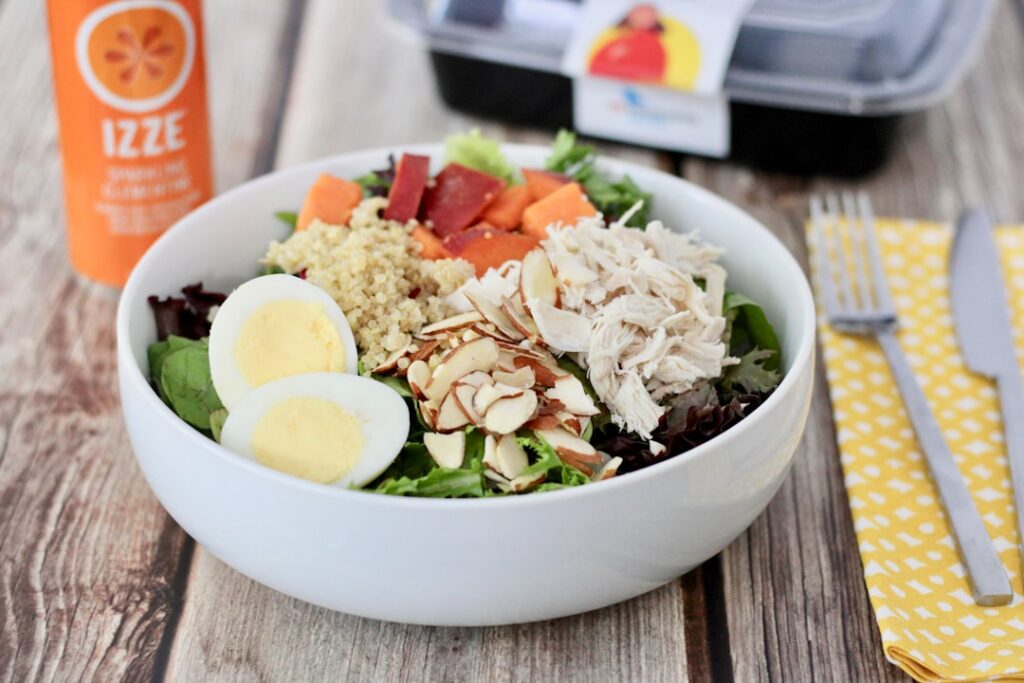
As parents navigating the frantic morning rush, we explored how to transform daily lunchbox preparation into a manageable routine by focusing on balanced nutrition and efficiency. We looked into the core building blocks of a healthy meal—such as complex carbohydrates, lean proteins, and essential vitamins—to prevent the post-lunch slump and support our children’s cognitive development. We also shared actionable strategies like make-ahead school lunch prep and 5-minute school lunch ideas to make healthy school lunches achievable even on the busiest mornings. Whether you are seeking healthy lunch ideas or streamlining your weekly meal planning for healthy school lunches, consider experimenting with bento-style variety and involving your kids in the process to ensure these nutritious meals are thoroughly enjoyed.