
Embarking on a culinary adventure often means seeking out the extraordinary, the unique, and the truly memorable. In a world brimming with mass-produced items, specialty foods stand out as beacons of craftsmanship, tradition, and distinct flavour. They represent a deliberate choice for quality, often telling a story of heritage, regionality, and passionate production. These aren’t just ingredients; they are experiences, carefully cultivated and presented to delight the senses and elevate any meal.
From the rich, complex notes of an aged cheddar crafted in a small dairy to the vibrant, sun-drenched aroma of an olive oil pressed from a single estate, specialty foods invite us to slow down and appreciate the finer details of what we consume. They encourage a deeper connection to our food, understanding its origins, the methods of its creation, and the people behind its excellence. This guide aims to peel back the layers of the specialty food world, revealing the treasures that await discovery and offering a roadmap for those eager to explore beyond the ordinary.
We will delve into what truly defines a specialty food, explore the compelling reasons behind their growing appeal, and highlight some of the most exciting developments in the gourmet food trends 2024. Whether you are a seasoned food enthusiast or just beginning your journey into the realm of exceptional tastes, preparing to host a special dinner, or searching for the perfect present, understanding specialty foods will undoubtedly enrich your culinary life. Join us as we uncover these hidden gems, celebrating the artistry and passion that make them so special.
What Exactly Are Specialty Foods? Defining the Culinary Elite
The term ‘specialty foods’ is often used, but what does it truly encompass? At its core, specialty food refers to high-quality, unique, and often artisanal products that are distinguished by their superior ingredients, distinctive preparation methods, and often, their limited availability. Unlike mass-produced items found on every supermarket shelf, specialty foods typically originate from smaller producers who prioritise quality over quantity, often adhering to traditional techniques or pioneering innovative approaches.
Characteristics That Define Specialty Foods
- Superior Ingredients: These foods are made with the finest raw materials, often sourced locally, organically, or from specific regions renowned for their produce. Think of single-origin coffee beans, heritage grain flours, or fruits grown in particular microclimates.
- Distinctive Flavour Profiles: The taste of specialty foods is often more intense, nuanced, and complex. This is a direct result of quality ingredients and meticulous production. A truly exceptional balsamic vinegar, for example, will offer layers of sweetness, acidity, and woody notes that a standard supermarket variety simply cannot match.
- Artisanal Production: Many specialty foods are handcrafted or produced in small batches, allowing for greater attention to detail and quality control. This artisanal approach often involves traditional methods passed down through generations, preserving authentic tastes and textures.
- Unique or Exotic Nature: They might be rare delicacies, ethnic specialities, or innovative fusions that introduce new tastes and experiences to the palate. Consider truffles, saffron, or exotic spices that are not part of everyday cooking for most households.
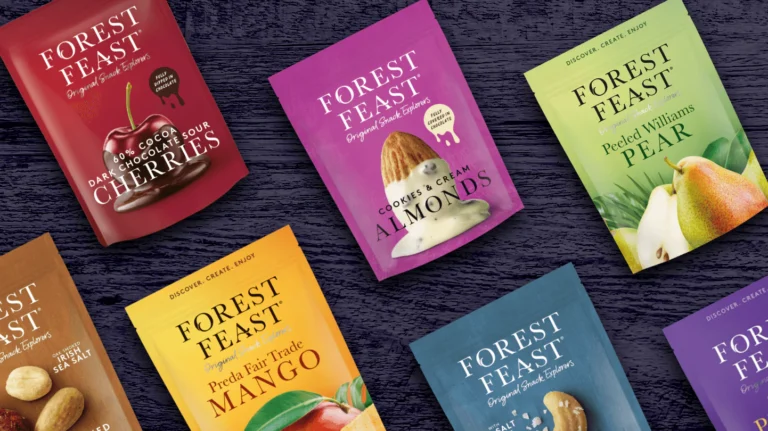
- Premium Packaging: The presentation of specialty foods often reflects their quality. Thoughtful, attractive packaging not only protects the product but also enhances its appeal, making it an ideal candidate for gifting.
- Story and Provenance: A significant aspect of specialty foods is the story behind them – the history of the producer, the region of origin, the specific farming practices, or the unique cultural context. This narrative adds depth and value to the product, connecting the consumer to its heritage.
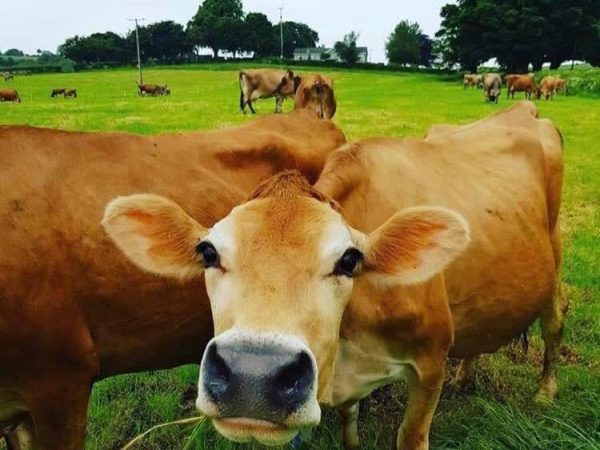
Consider a small-batch, award-winning British cheese from a family-run dairy in Somerset. Its flavour is a direct reflection of the local pasture, the breed of cow, and the cheesemaker’s skill, honed over decades. This is a stark contrast to a generic block of cheese produced on an industrial scale. The investment in time, care, and specific knowledge is what elevates these items into the category of specialty foods, making them truly special additions to any larder or dining table.
The Allure of Artisan: Why Quality Matters
The appeal of specialty foods is inextricably linked to the artisan movement. In an age of rapid consumption and mass production, there’s a growing appreciation for items made with care, skill, and a deep understanding of the craft. This is where the concept of the best artisan food products truly shines, offering consumers not just sustenance, but a piece of culinary art.
The Value Proposition of Artisan Foods
- Uncompromising Quality: Artisans are typically driven by a passion for their product, rather than solely by profit margins. This means they are less likely to cut corners on ingredients or production methods. The result is a consistently higher quality product that often surpasses its mass-produced counterparts in flavour, texture, and nutritional value.
- Support for Local Economies and Traditions: Purchasing artisan foods often means supporting small businesses, local farmers, and traditional crafts. This helps to sustain regional economies and preserve culinary heritage that might otherwise be lost. It fosters a more sustainable food system, reducing food miles and promoting biodiversity.
- Unique Flavour Experiences: Artisan producers frequently experiment with unique flavour combinations or revive ancient recipes, offering tastes that are simply unavailable elsewhere. Their smaller scale allows for greater flexibility and creativity, leading to truly distinctive products. Imagine a sourdough bread made with a 100-year-old starter, or a chocolate bar infused with unexpected, yet harmonious, botanicals.
- Transparency and Trust: With artisan products, there’s often a direct line to the producer. Consumers can learn about the ingredients, the sourcing, and the production process, fostering a sense of trust and connection. This transparency is a significant draw for consumers who are increasingly concerned about where their food comes from and how it is made.
- Ethical and Sustainable Practices: Many artisan producers are deeply committed to ethical sourcing, sustainable farming, and environmentally friendly production methods. This aligns with the values of many modern consumers who seek to make responsible purchasing choices. From fair trade coffee to organic charcuterie, the artisan sector often leads the way in these important areas.
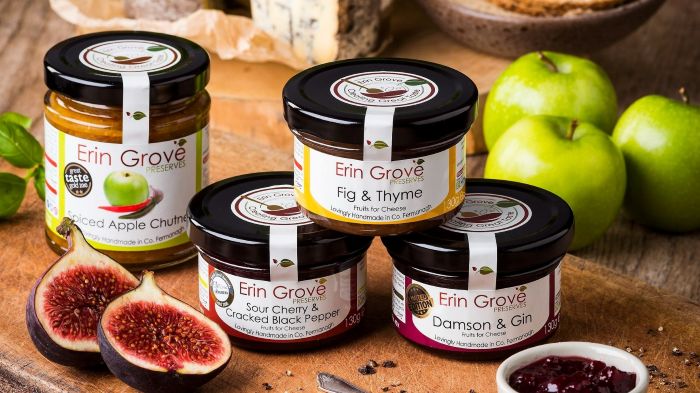
Consider the difference between a factory-produced jam and one made by a small artisan producer. The artisan jam will likely feature a higher fruit content, less sugar, and fruits sourced from local orchards, picked at their peak ripeness. The flavour will be brighter, more intense, and genuinely reflective of the fruit itself, rather than just a generic sweetness. This dedication to excellence, from farm to jar, is what defines the best artisan food products and why they command such respect and loyalty from discerning consumers. It’s about more than just eating; it’s about savouring a story, a tradition, and a commitment to unparalleled quality.
Exploring the World of Specialty Foods: Categories and Examples
The landscape of specialty foods is vast and wonderfully diverse, spanning every conceivable category of edible delight. To truly appreciate its breadth, it helps to explore some of the key areas where these culinary gems are most prevalent.
A Taste of Diversity: Key Categories
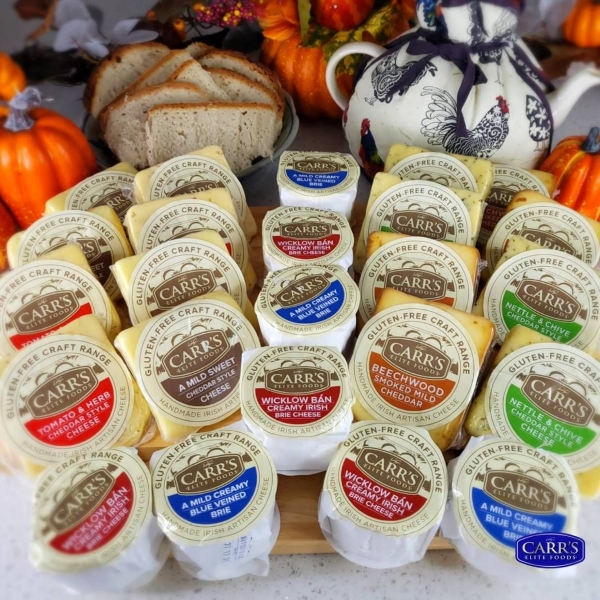
- Cheeses and Dairy: This is perhaps one of the most celebrated categories. From the pungent blues of Stilton and Roquefort to the creamy richness of a French Brie de Meaux or a mature Italian Parmigiano Reggiano, artisan cheeses are a testament to regional terroir and centuries of cheesemaking tradition. Small-batch yoghurts, cultured butters, and unique creams also fall into this category, offering superior flavour and texture.
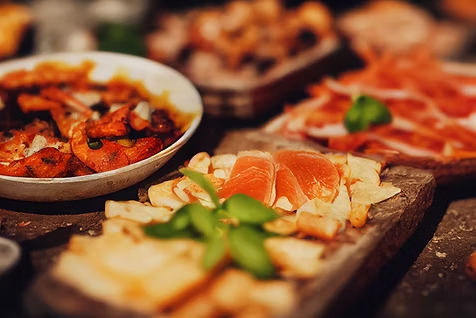
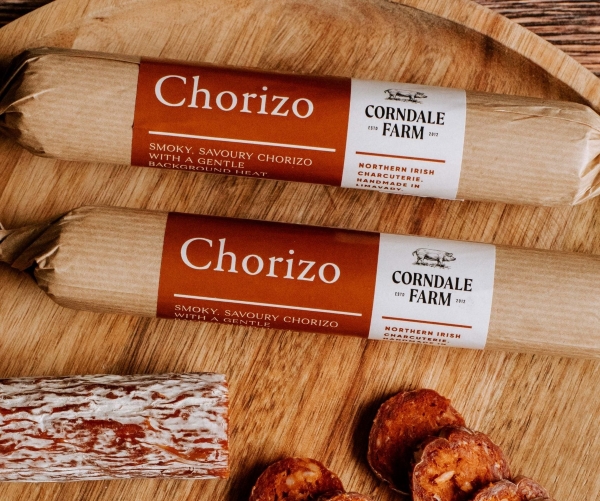
- Charcuterie and Cured Meats: Think beyond standard ham. This category includes exquisite Spanish Jamón Ibérico, Italian Prosciutto di Parma, French saucissons, and British air-dried hams. These products are often aged for extended periods, developing complex, savoury notes that are truly exceptional.
- Oils and Vinegars: Extra virgin olive oils from specific regions (e.g., Tuscany, Crete, Andalucía) with distinct flavour profiles, often cold-pressed from single varietals, are a cornerstone. Similarly, aged balsamic vinegars from Modena, fruit-infused vinegars, and speciality nut oils (like walnut or hazelnut oil) offer incredible depth to cooking and dressings.
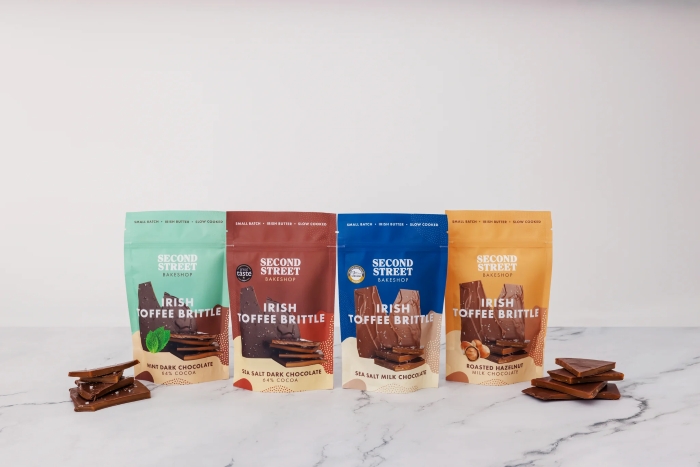
- Chocolates and Confectionery: Bean-to-bar chocolates, where the maker controls every step from cocoa bean to finished bar, offer an incredible range of flavours depending on the bean’s origin. Artisan truffles, pralines, and unique sweets made with high-quality ingredients and innovative techniques elevate confectionery to an art form.
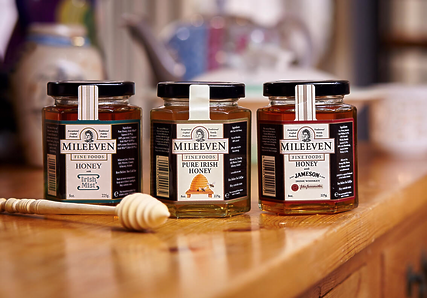
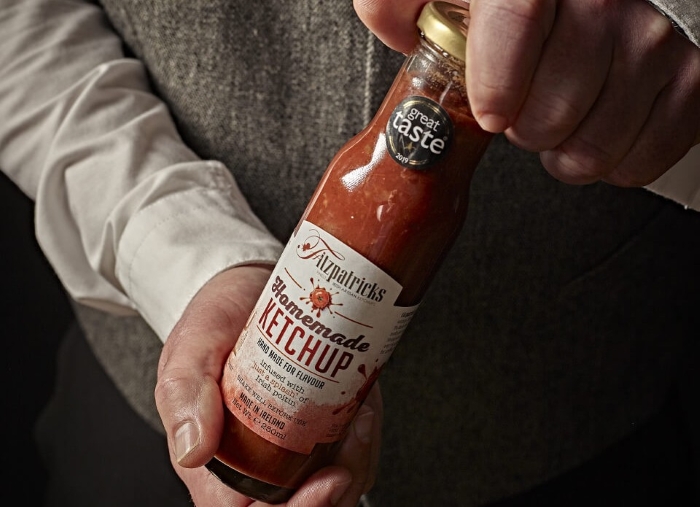
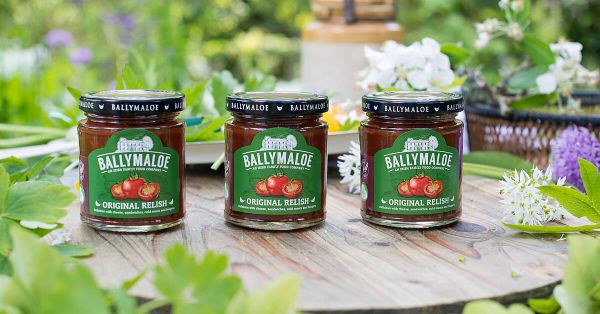
- Preserves, Jams, and Spreads: Hand-stirred jams with high fruit content, chutneys made with exotic spices, and gourmet nut butters are far superior to their mass-produced counterparts. They often feature unusual fruit combinations or traditional recipes that evoke a sense of nostalgia and comfort.
- Baked Goods and Patisserie: Artisan breads, from crusty sourdoughs to delicate brioches, made with heritage flours and slow fermentation, offer unparalleled flavour and texture. Gourmet biscuits, cakes, and pastries crafted with premium ingredients and meticulous attention to detail transform a simple treat into a luxurious experience.
- Spices and Seasonings: Rare spices, single-origin peppercorns, smoked salts, and unique herb blends can dramatically alter a dish. These are often sourced from specific regions known for their quality, providing intense and authentic flavours.
- Gourmet Beverages: This includes speciality teas (e.g., rare single-estate Darjeelings, Japanese ceremonial matcha), artisan coffees (single-origin, ethically sourced, small-batch roasted), craft sodas, and unique non-alcoholic cordials.
Each of these categories offers a treasure trove of discovery, inviting exploration and experimentation. The beauty of specialty foods lies in their ability to transport you, through taste, to the place of their origin, connecting you with the traditions and passion of their creators. Whether it’s a jar of wild elderflower cordial from a small British producer or a block of aged Gouda from the Netherlands, these items promise a culinary experience that is anything but ordinary.
Staying Ahead: Gourmet Food Trends 2024
The world of specialty foods is dynamic, constantly evolving with new tastes, ethical considerations, and innovative production methods. Keeping an eye on the gourmet food trends 2024 allows both consumers and producers to anticipate what’s next and discover exciting new products. This year, several key themes are shaping the landscape of high-end edibles.
Key Trends Shaping the Gourmet Landscape
- Hyper-Regionality and Provenance: Consumers are increasingly interested in the exact origin of their food, seeking out products with a strong sense of place. This goes beyond ‘local’ to specific farms, valleys, or micro-regions, highlighting unique ingredients and traditional methods tied to that geography. Expect to see more emphasis on specific appellations for everything from olive oil to honey.
- Plant-Based Innovation: The demand for sophisticated plant-based options continues to grow. This isn’t just about vegan alternatives, but about genuinely gourmet plant-centric dishes and products that stand on their own merit. Think artisan vegan cheeses made from nuts or seeds, gourmet mushroom-based charcuterie, and innovative plant-based seafood alternatives that offer complex textures and flavours.
- Sustainable and Ethical Sourcing: Beyond organic, consumers are looking for transparency in supply chains, fair trade practices, and products that actively contribute to environmental regeneration. This includes regenerative agriculture, zero-waste production, and packaging innovations that minimise ecological impact. Brands that can clearly articulate their commitment to sustainability will gain significant traction.
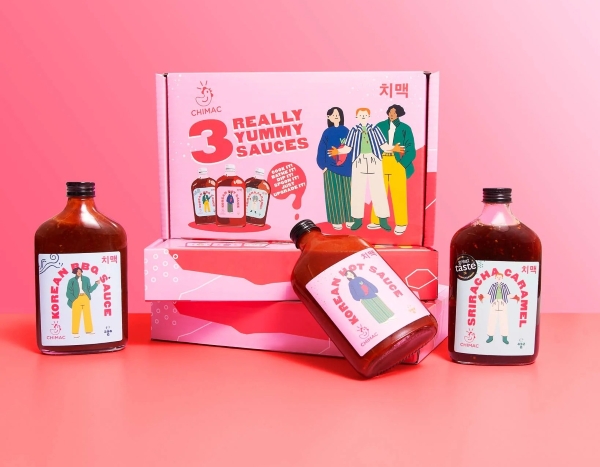
- Global Flavours with a Twist: While global cuisines have long been popular, 2024 sees a deeper dive into less common regional specialities and fusion concepts that are both authentic and inventive. Expect to see more ingredients from West Africa, the Philippines, and indigenous South American cultures making their way into gourmet products, often combined with European techniques.
- Health-Conscious Indulgence: There’s a desire for foods that are both delicious and offer health benefits, without compromising on the gourmet experience. This includes products rich in probiotics (e.g., artisanal fermented foods like kimchi, kombucha, kefir), adaptogens, and functional ingredients. Low-sugar or natural sweetener options that still deliver on taste are also a focus.
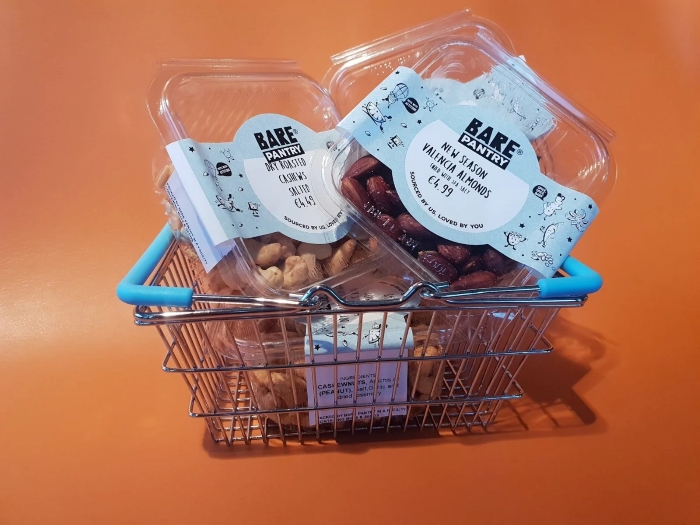
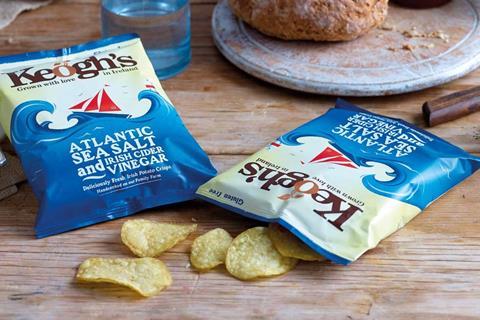
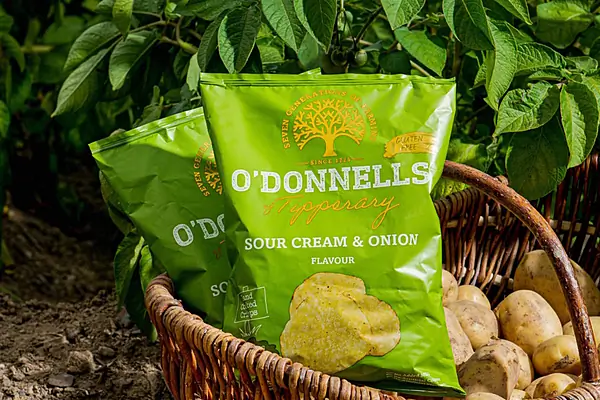
- Elevated Snacking: Snacking is no longer just about convenience; it’s becoming an opportunity for gourmet experiences. Think sophisticated nut mixes, artisan crisps with unique flavour profiles, high-quality jerky, and gourmet fruit leathers. These snacks are designed to be savoured, offering complex tastes and premium ingredients.
- At-Home Culinary Experiences: With more people cooking and entertaining at home, there’s a demand for specialty ingredients and kits that allow consumers to recreate restaurant-quality meals. This includes gourmet meal kits, high-quality pantry staples, and unique finishing oils or spices that elevate home cooking.
These gourmet food trends 2024 reflect a broader shift towards conscious consumption, a desire for authentic experiences, and an adventurous palate. For those seeking to explore the cutting edge of culinary excellence, these trends offer a compelling starting point for discovering new and exciting specialty foods.
Finding Your Culinary Treasures: Where to Buy Specialty Foods
Discovering the world of specialty foods is an exciting pursuit, but knowing where to buy unique food gifts and everyday gourmet items can sometimes feel like a treasure hunt. Fortunately, there are several excellent avenues for sourcing these exceptional products, each offering a distinct shopping experience.
Top Destinations for Specialty Food Shopping
- Independent Delicatessens and Food Halls: These are often the first port of call for specialty food enthusiasts. Independent delis are curated by passionate owners who hand-pick their stock, often featuring local producers and international delicacies. Large food halls, such as those found in department stores like Harrods or Fortnum & Mason in London, offer an unparalleled selection under one roof, providing a truly immersive experience. These establishments are fantastic places to find best artisan food products and receive expert advice.
- Farmers’ Markets and Farm Shops: For truly fresh and local specialty items, farmers’ markets are unbeatable. You can often meet the producers directly, learn about their methods, and taste samples. Farm shops, whether on-site at a working farm or as standalone retail outlets, also offer a direct connection to the source, providing seasonal produce, artisan cheeses, cured meats, and baked goods often made just metres away.
- Online Retailers and Speciality Websites: The internet has revolutionised access to specialty foods. Numerous online platforms specialise in gourmet products, offering a vast selection from around the globe delivered directly to your door. Many artisan producers also sell directly from their own websites, allowing you to support them directly. This is particularly useful for finding niche items or products from specific regions that might not be available locally. When considering where to buy unique food gifts, online stores often provide curated hampers and gift sets, making the process effortless.
- Direct from Producers: For some of the most exclusive specialty items, purchasing directly from the producer is the only option. This might involve visiting a vineyard for their unique olive oil, a small smokehouse for their smoked salmon, or a specific bakery for their signature sourdough. This direct interaction often adds to the story and appreciation of the food.
- Speciality Food Fairs and Festivals: Throughout the year, various food fairs and festivals take place, showcasing a wide array of specialty producers. These events are fantastic opportunities to sample new products, discover emerging artisans, and stock up on favourites. They are also excellent places to gather ideas for where to buy unique food gifts, as many producers offer special event-only items or discounts.
- Gourmet Supermarket Sections: While not as comprehensive as independent delis, many larger supermarkets now feature dedicated ‘finest’ or ‘gourmet’ sections. These can be a convenient option for finding a selection of specialty cheeses, charcuterie, or premium pantry staples, though the range may be more limited.
Regardless of your preferred shopping method, the key is to seek out establishments and producers who share a commitment to quality and authenticity. Don’t be afraid to ask questions, sample products, and explore new tastes. The journey of discovering specialty foods is as rewarding as the culinary delights themselves.
The Art of Gifting: Presenting Unique Food Gifts
When it comes to thoughtful presents, few things convey care and appreciation quite like a carefully chosen food gift. Specialty foods offer an unparalleled opportunity to give something truly memorable, providing an experience rather than just an item. Understanding where to buy unique food gifts is one thing, but knowing how to present them elevates the gesture entirely.
Crafting the Perfect Food Gift
- Consider the Recipient’s Tastes: The most important aspect of any gift is tailoring it to the individual. Does your recipient love spicy food, sweet treats, or perhaps a particular cuisine? Are they a keen baker, a coffee connoisseur, or someone who enjoys a sophisticated cheese board? Knowing their preferences will guide your selection of best artisan food products.
- Theme Your Gift: A themed food gift feels more cohesive and special. Consider themes like:
- Italian Delights: A bottle of premium extra virgin olive oil, a packet of artisan pasta, a jar of gourmet pesto, and a block of aged Parmigiano Reggiano.
- British Breakfast: Small-batch marmalade, artisan granola, speciality tea, and a jar of local honey.
- Chocolate Lover’s Dream: A selection of bean-to-bar chocolate bars, gourmet hot chocolate mix, and some artisan chocolate truffles.
- Cheese Board Essentials: A selection of three complementary artisan cheeses, a jar of quince paste or chutney, and a packet of gourmet crackers.
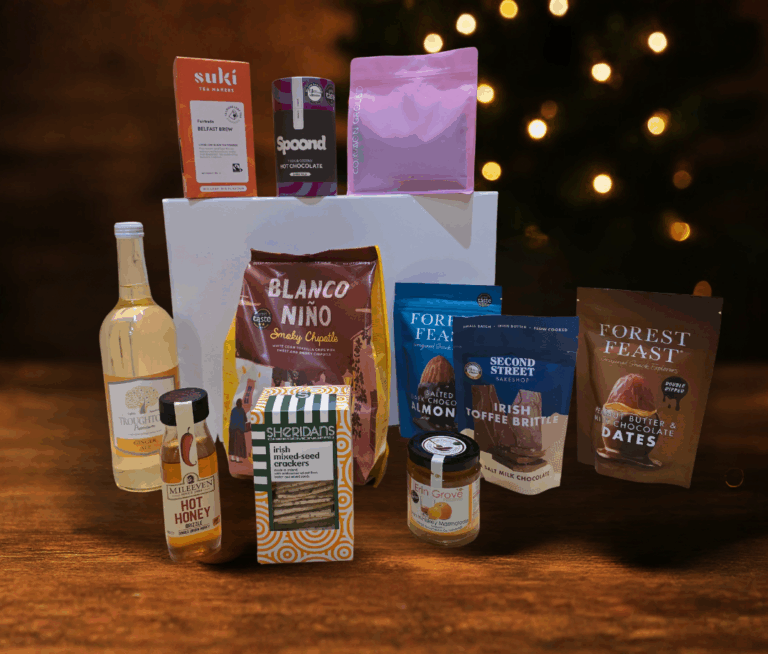
- Presentation Matters: The way a food gift is presented significantly enhances its appeal. Instead of just handing over individual items, consider arranging them in a beautiful hamper, a reusable wooden crate, or a stylish gift box. Use tissue paper, ribbons, and perhaps a small handwritten note to add a personal touch.
- Include Serving Suggestions or Recipes: For more unusual specialty items, including a small card with serving suggestions, pairing ideas, or a simple recipe can be incredibly helpful and inspiring. This transforms the gift from just ingredients into a culinary adventure.
- Think About Shelf Life: When assembling a food gift, be mindful of the shelf life of the products. Opt for items that will last a reasonable amount of time, especially if the recipient won’t be consuming them immediately. Vacuum-sealed charcuterie, aged cheeses, and preserves are generally good choices.
- Experience-Oriented Gifts: Sometimes, the gift isn’t just the food itself, but the experience it enables. A gourmet coffee subscription, a monthly cheese club membership, or a voucher for a specialty food tasting class can be truly unique and long-lasting gifts.
Finding where to buy unique food gifts is made easier by the dedicated sections in many online specialty food stores and the curated selections found in independent delis. These retailers often have pre-made hampers or offer customisation services, making it simple to create a truly bespoke and memorable present. A well-chosen specialty food gift is a celebration of taste, quality, and the joy of sharing exceptional culinary experiences.
Cooking with Distinction: Incorporating Specialty Foods into Your Kitchen
Specialty foods aren’t just for special occasions or gifting; they are also fantastic for elevating everyday cooking and transforming simple meals into extraordinary culinary experiences. Integrating best artisan food products into your kitchen repertoire can open up a world of flavour and creativity, making every dish more distinctive.
Practical Ways to Use Specialty Foods
- Elevate Everyday Staples:
- Olive Oil: Ditch the generic cooking oil for a high-quality extra virgin olive oil. Use it not just for cooking, but as a finishing oil over salads, grilled vegetables, pasta, or even a simple piece of toast with a sprinkle of sea salt. The nuanced flavours of a single-origin olive oil can be a revelation.
- Salt: Move beyond table salt. Flaky sea salt, smoked salt, or a mineral-rich Himalayan pink salt can add texture and a depth of flavour to roasted meats, baked goods, or even a simple fried egg.
- Vinegar: A good quality balsamic vinegar or a fruit-infused vinegar can transform a vinaigrette, deglaze a pan for a rich sauce, or add a bright counterpoint to roasted root vegetables.
- Enhance Flavour Profiles:
- Artisan Cheeses: Beyond a cheese board, grate a mature cheddar into a béchamel sauce for mac and cheese, crumble a blue cheese over a steak salad, or shave Parmigiano Reggiano over a risotto. The intensity of flavour means a little goes a long way.
- Cured Meats: Finely sliced prosciutto or chorizo can be draped over melon, added to a pasta dish, or crisped up and sprinkled over soups and salads for a burst of umami.
- Speciality Spices and Herbs: Invest in whole spices and grind them fresh for maximum aroma and flavour. Explore less common spices like sumac, za’atar, or smoked paprika to introduce new dimensions to your cooking.
- Create Impressive Appetisers and Desserts:
- Gourmet Preserves: Pair a fig jam with goat’s cheese on crostini, or use a vibrant berry preserve as a filling for tarts or a topping for panna cotta.
- Artisan Chocolates: Melt down high-quality dark chocolate for a luxurious dipping sauce for fruit, shave it over desserts, or simply serve a selection of fine chocolates after dinner with coffee.
- Speciality Breads: Serve a crusty artisan sourdough with a good quality butter and olive oil as a starter, or use it to make gourmet sandwiches.
- Pairing for Perfection: Understanding how different specialty foods complement each other is key. For example, pairing a rich, creamy cheese with a crisp apple or a sweet chutney, or matching a robust red wine with a strong charcuterie. Experimentation is encouraged, but a little research into classic pairings can provide a solid foundation.
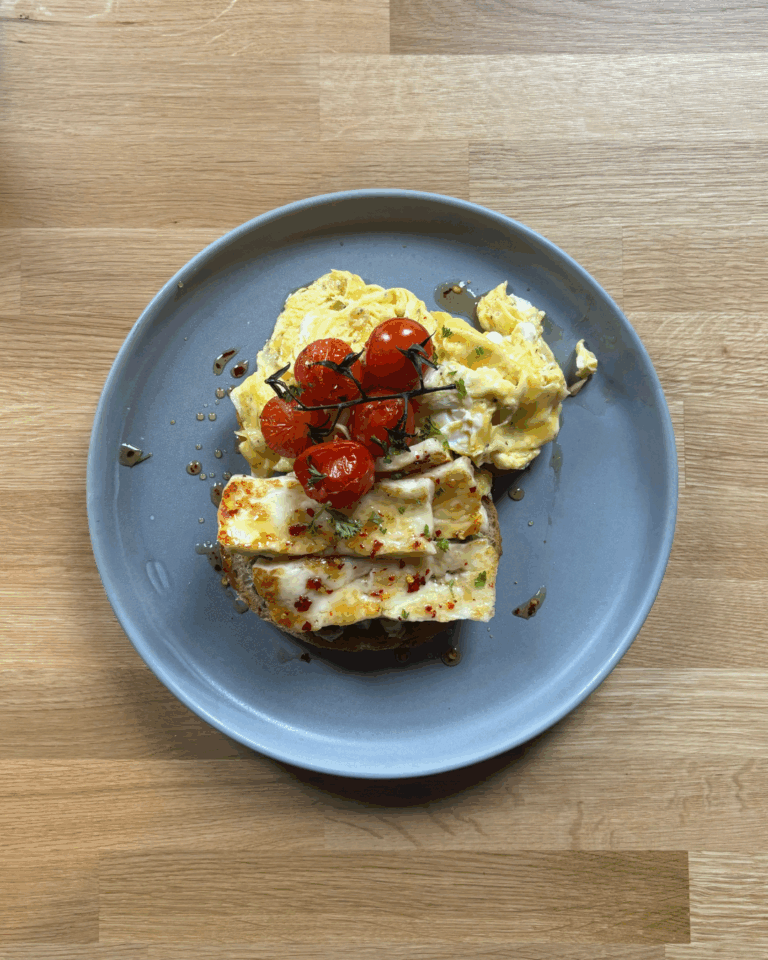
The beauty of cooking with specialty foods is that they often require minimal intervention to shine. Their inherent quality means you don’t need to do much to make them taste incredible. By thoughtfully incorporating these exceptional ingredients, you can elevate your home cooking, impress your guests, and most importantly, enjoy a more profound and satisfying culinary experience every day.
FAQs About Specialty Foods
What makes specialty foods more expensive?
Specialty foods often command a higher price due to several factors: superior, often ethically sourced ingredients; labour-intensive, artisanal production methods; smaller batch sizes; and sometimes, rarity or specific regional provenance. The focus is on quality and craftsmanship over mass production efficiency.
How should I store specialty foods?
Storage varies greatly by product. Generally, artisan cheeses should be wrapped in cheese paper or parchment paper and stored in the fridge, not plastic. Cured meats should be kept cool and dry, often in the fridge once opened. Oils and vinegars should be stored in a cool, dark place away from direct sunlight. Always check the producer’s specific recommendations on the packaging for optimal freshness.
Are specialty foods only for special occasions?
Absolutely not! While they certainly elevate special occasions, specialty foods can transform everyday meals. A drizzle of gourmet olive oil on a simple salad, a sprinkle of artisan salt on roasted vegetables, or a slice of quality charcuterie in a sandwich can make a regular meal feel luxurious and more flavourful. They are about enhancing daily life, not just reserving for grand events.
Can I find specialty foods that cater to dietary restrictions?
Yes, increasingly so. Many artisan producers focus on specific dietary needs, offering gluten-free baked goods, dairy-free cheeses, vegan charcuterie, and sugar-free confectionery. Because they often use fewer, higher-quality ingredients, it can be easier to identify suitable options. Always check ingredient lists carefully.
Discover Specialty Foods at Gourmet Grocer
Ready to uncover something a little different? At Gourmet Grocer, you’ll find a carefully chosen selection of specialty foods, artisan products and gourmet essentials to bring extra flavour to your table.
Call in to explore quality cheeses, chutneys, crackers, charcuterie, oils, preserves, sweet treats, local produce, pantry favourites and unique food gifts. Whether you’re building a cheeseboard, creating a thoughtful hamper, planning a dinner party or simply looking for something new to try, Gourmet Grocer is full of hidden gems worth discovering.
From everyday luxuries to special occasion favourites, our shelves and deli are packed with inspiration for food lovers.
Visit Gourmet Grocer in Enniskillen to shop specialty foods, artisan products, gourmet gifts and everything you need to make your next meal feel a little more special.
Conclusion
Our exploration into the world of specialty foods has, hopefully, illuminated the profound difference that quality, craftsmanship, and passion can make to our culinary lives. These aren’t merely ingredients; they are stories, traditions, and expressions of dedication from artisans who pour their heart into every product. From the rich heritage embedded in the best artisan food products to the exciting innovations shaping gourmet food trends, the landscape of specialty foods is one of constant discovery and delight.
We’ve seen how these unique items can elevate a simple meal into a memorable experience, transform a thoughtful present into a cherished gift, and connect us more deeply with the origins of what we consume. Knowing where to buy unique food gifts and everyday gourmet items, whether from a bustling farmers’ market, a quaint independent deli, or a convenient online store, opens up a world of possibilities for the adventurous palate.
Ultimately, embracing specialty foods is about making a conscious choice for quality, flavour, and authenticity. It’s about supporting the individuals and small businesses who uphold time-honoured techniques and pioneer new tastes. So, we encourage you to step beyond the familiar, to seek out these hidden gems, and to allow your senses to be captivated by the extraordinary. Your culinary journey will undoubtedly be richer, more flavourful, and infinitely more rewarding for it. Happy exploring!
Update On 16 Nov 2026
In this guide, we explored the fascinating world of specialty foods, highlighting how exceptional ingredients, artisanal production, and provenance can elevate our daily culinary experiences. We looked into the best artisan food products available on the market, examining key categories like single-estate olive oil and gourmet food specialty items that bring unparalleled depth of flavour to the kitchen. As we navigate the gourmet food trends 2024, focusing on hyper-regionality and ethical sourcing, we encourage you to look beyond the ordinary and discover where to buy unique food gifts that will truly captivate your palate.